
The smell of cinnamon and butter drifting from the oven — that’s the promise of a good coffee cake muffin. The kind with a thick, crunchy streusel cap that shatters when you bite into it, revealing a tender, moist crumb underneath. No dry, sad muffin here.

I keep the ratio at 1 part crumb topping to 3 parts batter. That might sound like a lot of streusel, but it’s the secret to that satisfying, bakery-style top. The buttermilk does double duty: it tenderizes the gluten and reacts with the baking soda to give the muffins a gentle lift and a soft, velvety texture that lasts for days.
Why Buttermilk Matters
Buttermilk isn’t just for tang. Its acidity does two things. First, it tenderizes the flour’s gluten, so the muffins stay soft rather than tough. Second, it activates the baking soda, creating carbon dioxide bubbles that lift the batter. The result is a muffin with a fine, even crumb — not a dense hockey puck.
If you don’t have buttermilk, make a quick substitute: add 1 tablespoon of lemon juice or white vinegar to a liquid measuring cup, then fill with milk to the 1-cup line. Let it sit for 5 minutes until it curdles and thickens. It works perfectly.
Streusel That Stays on Top
The streusel is the crown jewel, and it needs a cold butter start. Cut your butter into small cubes (about 1/2-inch) and keep it chilled until the moment you mix. Use a fork or your fingertips to work the butter into the flour-sugar-cinnamon mixture until it looks like coarse sand with some pea-sized clumps. Don’t overmix — you want distinct, buttery lumps that will bake into crunchy nuggets.
Sprinkle the streusel generously over each muffin, mounding it high. Gently press it into the batter so it sticks, but don’t push it down. The batter will rise around it, locking the streusel in place.
The Muffin Method: Gentle Folding
Overmixing is the number one mistake with muffins. Stirring develops gluten, and too much gluten equals tough, rubbery muffins. Here’s the method:
- Mix the dry ingredients (flour, baking powder, baking soda, salt) in one bowl.
- Whisk the melted butter and sugar together until combined — it’ll look like wet sand. Add the egg and vanilla and whisk until smooth and pale.
- Add half the dry ingredients, then half the buttermilk. Fold gently with a rubber spatula — just a few strokes. Add the remaining dry and buttermilk, and fold until just combined. A few streaks of flour are fine. The batter should be thick and slightly lumpy.
This gentle folding keeps the muffins tender. Resist the urge to keep stirring.
Baking for the Perfect Dome
Bake at 375°F (190°C) — hot enough to create a quick rise and a golden top, but not so hot that the streusel burns before the center cooks. Fill the muffin cups about 2/3 full. The batter should mound slightly above the rim, giving you a nice dome.
Check for doneness at 16 minutes. A toothpick inserted into the center should come out clean or with a few moist crumbs — not wet batter. The tops should spring back when lightly pressed. If the toothpick is wet, bake for another 2 minutes and check again.
Cool the muffins in the pan for exactly 5 minutes. This allows the structure to set without steaming the bottoms. Then transfer them to a wire rack to cool completely if glazing.
The Optional Glaze
The glaze is simple: powdered sugar thinned with a little milk or buttermilk until it’s thick enough to drizzle but thin enough to flow. Drizzle it over warm muffins — it will set into a thin, crackly shell. If you prefer a less sweet muffin, skip the glaze. The streusel is plenty sweet on its own.
Common Mistakes to Avoid
- Overmixing the batter: Leads to tough, dense muffins. Fold only until the flour disappears.
- Warm butter for streusel: Creates a paste that sinks into the batter. Always use cold butter.
- Skipping the paper liners: The streusel can stick to the pan. Liners make cleanup easy and keep the crumb intact.
- Overbaking: Dry muffins. Start checking at 16 minutes — ovens vary.
Storing and Serving
These muffins stay soft at room temperature for up to 3 days in an airtight container. To reheat, pop one in a 300°F oven for 5 minutes or microwave for 15 seconds. They also freeze beautifully — wrap unfrosted muffins individually in plastic wrap, then place in a zip-top bag. Thaw at room temperature or reheat from frozen in a 350°F oven for 10 minutes.
Serve them with a hot cup of coffee, obviously. Or with a tall glass of cold milk. They’re breakfast, snack, or dessert — no judgment here.
Allergen Notes
This recipe contains wheat (gluten), dairy (butter, buttermilk), and eggs. For a dairy-free version, use plant-based butter and a buttermilk substitute (unsweetened almond milk + vinegar). For gluten-free, use a 1:1 all-purpose gluten-free flour blend. For specific dietary needs, please consult a qualified professional.
Takeaway: Coffee cake muffins are all about texture — a crunchy, buttery streusel top over a tender, tangy crumb. Use cold butter for the streusel, buttermilk for the batter, and a gentle hand when folding. That’s the method. The rest is just baking.
Frequently Asked Questions
Can I use sour cream instead of buttermilk?
Yes. Substitute an equal amount of full-fat sour cream (1 cup). The muffins will be slightly denser but still very tender. If using sour cream, reduce the melted butter by 2 tablespoons to keep the fat balance right.
Why did my streusel sink into the muffins?
Streusel sinks if the batter is too thin or if you press the streusel in too hard. The batter should be thick and scoopable, not runny. Gently press the streusel so it just sticks — don’t push it down. Also, make sure your butter is cold when making the streusel; warm butter melts too quickly and sinks.
How do I make these muffins gluten-free?
Use a 1:1 gluten-free all-purpose flour blend that contains xanthan gum. The texture will be slightly more delicate, so handle the batter gently. Bake time may vary by 2-3 minutes. For dietary advice, please consult a qualified professional.
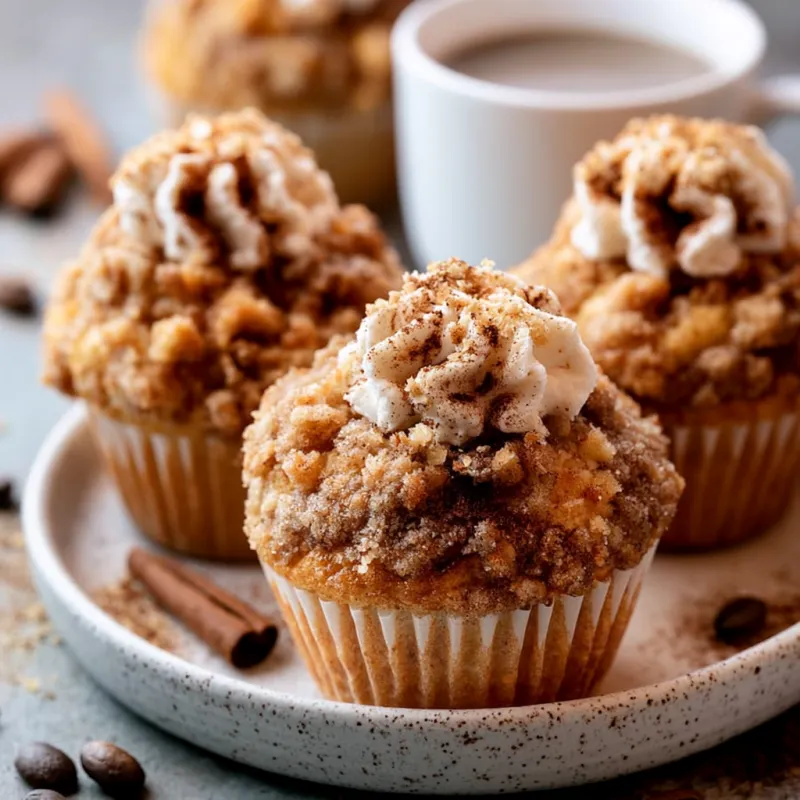
Coffee Cake Muffins
Ingredients
Equipment
Method
- Preheat your oven to 375°F (190°C). Line a 12-cup muffin tin with paper liners. This ensures easy release and keeps the streusel intact.
- Make the streusel: In a medium bowl, whisk together the brown sugar, flour, cinnamon, and salt. Add the cold butter cubes. Use a fork or your fingertips to cut the butter into the dry mixture until it resembles coarse, pea-sized crumbs. Do not overwork it — you want distinct clumps. Set aside.
- Make the muffin batter: In a large bowl, whisk together the flour, baking powder, baking soda, and salt. Set aside.
- In another large bowl, whisk the melted butter and granulated sugar until combined — it will look like wet sand. Whisk in the egg and vanilla until smooth. The mixture should be pale and slightly thickened.
- Add half the dry ingredients to the wet mixture, then half the buttermilk. Stir gently with a rubber spatula just a few times. Add the remaining dry ingredients and buttermilk, and fold until just combined. A few streaks of flour are fine — overmixing makes tough muffins. The batter will be thick and slightly lumpy.
- Divide the batter evenly among the prepared muffin cups, filling each about 2/3 full. Use a small cookie scoop or two spoons for neat portions.
- Generously sprinkle the streusel over each muffin, pressing it gently into the batter so it sticks. Use all the streusel — pile it high; it will sink slightly as the muffins rise.
- Bake for 16-18 minutes, until the muffins are golden brown on top and a toothpick inserted into the center of a muffin comes out clean or with a few moist crumbs. The tops should spring back when lightly touched. Cool in the pan for 5 minutes, then transfer to a wire rack.
- For the glaze (optional): In a small bowl, whisk together the powdered sugar and 1 tablespoon of milk until smooth. Add more milk a teaspoon at a time if needed for a drizzling consistency. Drizzle over warm muffins.
- Serve warm or at room temperature. Store leftovers in an airtight container at room temperature for up to 3 days.