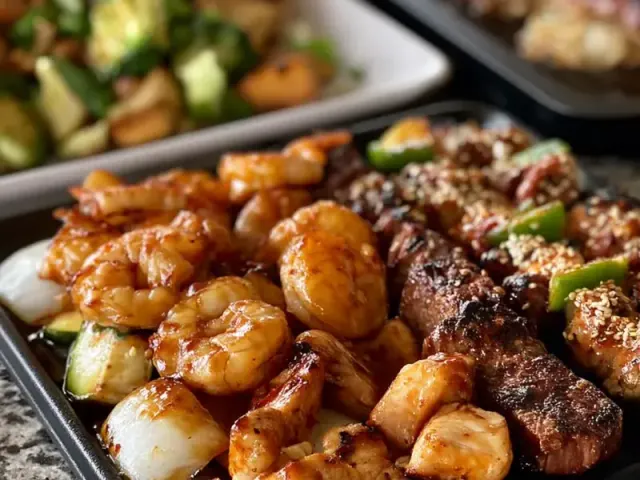
Blackstone Hibachi Dinner: Sizzling Steak & Veggies at Home
The first sound is the sizzle. That sharp, immediate hiss when thinly sliced steak hits a hot, oiled griddle. Then the smell of toasted sesame and soy sauce fills the air. That’s the moment you know dinner is going to be good. A Blackstone hibachi dinner brings that teppanyaki restaurant experience home, but with one big advantage: you control the heat, the oil, and the salt. No need for fancy knife tricks or onion volcanoes. Just good technique, clear steps, and a hot flat top.

Why the Griddle Matters
A Blackstone griddle gives you a large, even cooking surface that holds heat well. That’s critical for hibachi because you want a hard sear on the steak without steaming it. The griddle also lets you cook multiple components at once — steak on one side, shrimp on another, vegetables in the middle, and rice off to the side. Everything finishes at the same time. If you don’t have a Blackstone, a large cast-iron skillet or two burners with a flat griddle pan will work, but you’ll need to cook in batches and keep things warm.
The Core Technique: Managing Heat Zones
I keep the griddle at two heat levels during this cook. Start at medium-high, about 400°F (205°C), for the steak and shrimp. That high heat gives you a browned crust in under two minutes per side. After the protein is done, I lower the temperature to medium, around 350°F (177°C), for the vegetables and rice. If you keep the heat too high for the rice, it will burn before the vegetables soften.
Here’s the common mistake: overcrowding. If you pile everything onto the griddle at once, the temperature drops, and you end up steaming instead of searing. Work in batches. Keep the cooked steak and shrimp on a plate, tented loosely with foil. They only need a quick reheat at the end.