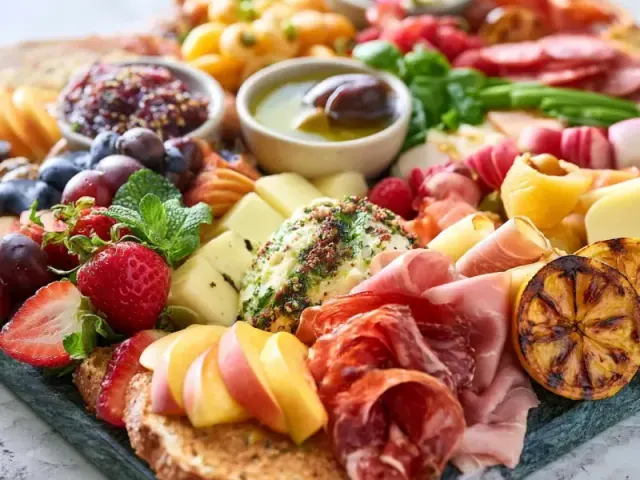
Build a Summer Snack Board That Actually Stays Fresh
On a hot afternoon, the last thing I want is a heavy spread that wilts before guests arrive. That's why I keep the summer snack board simple and smart — vegetables that stay crisp, dips that don't spoil in the sun, and a few savory bites that actually taste better at room temperature. The trick is in the ratio: about half the board should be fresh produce, a quarter cheese and protein, and the rest dips and crunch. This balance keeps everything looking full and inviting without turning mushy.

Choosing Ingredients That Hold Up in the Heat
Not all produce is summer-board material. I stick with vegetables that have a naturally high water content but a firm structure — cucumber, bell pepper, sugar snap peas, and cherry tomatoes. They stay crunchy for hours, especially if you pat them dry after washing. Avoid anything pre-cut from a store; cut your own right before assembling for the best texture.
For cheese, I pick a firm variety like sharp cheddar or aged gouda. Soft cheeses like brie or goat cheese can soften too quickly and become messy. Salami or prosciutto work well because they're cured and don't need refrigeration for short periods. Grapes and strawberries add sweetness and color, but keep them separate from wet veggies so they don't get soggy.
The Right Tools and Setup
You don't need a fancy board. A rimmed baking sheet works perfectly, and the lip keeps everything from sliding off. Use small bowls — 4-ounce ramekins or small prep cups — for dips. This prevents the hummus from spreading into the vegetables. Arrange the bowls first, then build the rest of the board around them. I always place the dip bowls off-center to create visual flow.
When slicing, aim for uniform shapes. Cucumbers in half-moons, bell peppers in thin strips, and cheese in wedges about 1/4-inch thick. This makes the board look intentional and makes it easy for guests to pick up individual pieces without a knife.
Building the Board in Layers
Start with the largest items — the cheese wedges and salami folds. Place them in two separate clusters, not touching. Then add the vegetables in groups, alternating colors. Dark green cucumber next to red pepper, then bright green snap peas. This contrast makes the board look abundant even with fewer ingredients.
Fill the gaps with smaller items: cherry tomatoes cut side up, grapes in a tight bunch, and olives tucked into empty spaces. Scatter almonds last — they act like filler but also add a salty crunch. A few mint leaves or small basil leaves add a fresh pop of green without being fussy.