Classic Homemade Salsa That Beats Any Store-Bought Jar
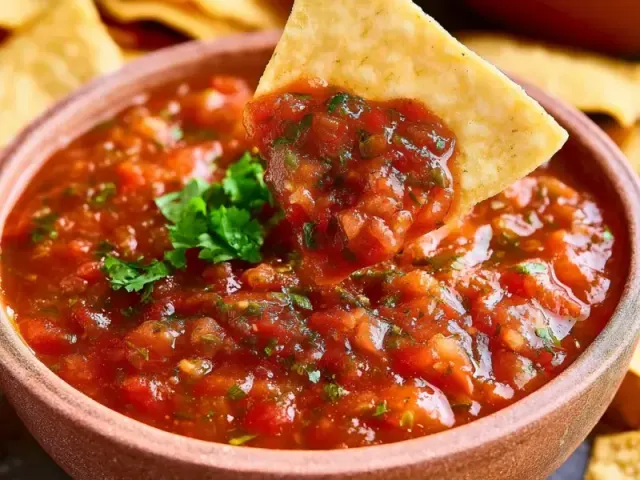
The first time you make salsa from scratch, you notice the color. It's not that uniform, slightly dull red from a jar. It's a mosaic—bright crimson, flecks of green, tiny seeds suspended in a glossy pool. And the smell? Sharp lime, earthy cumin, and the faint char of roasted tomatoes. This classic homemade salsa is built on one simple technique: roasting the vegetables before blending. It concentrates their sweetness, deepens the flavor, and eliminates the need for added sugar or vinegar. Here's exactly how to do it.

Why Roasting Makes a Difference
Roasting tomatoes at 400°F caramelizes their natural sugars. The heat also softens the cell walls, so when you pulse them, they release their juices in a controlled way—not a watery mess. I keep the ratio at 4 medium Roma tomatoes to 1/2 onion, 1 jalapeño, and 2 garlic cloves. That balance gives you a salsa that's thick enough to cling to a chip but not pasty. The garlic roasts in its skin, turning mellow and sweet—no raw bite. If you skip this step, you'll get a sharper, more acidic salsa. Both are valid, but for a classic, crowd-pleasing version, roasting is the way.
The Exact Roasting Method
Place the halved tomatoes cut-side down on a parchment-lined baking sheet. This prevents sticking and lets the cut surface caramelize. Add the onion wedges, jalapeño halves (seeds removed unless you want more heat), and whole garlic cloves. Roast for exactly 20 minutes. You'll see the tomato skins blister and pull away from the flesh. The garlic should be soft when squeezed—if it's still firm, give it 3 more minutes. Let everything cool for 5 minutes. Peel the garlic. For a smoother salsa, slip the tomato skins off; they come away easily. For a chunkier texture, leave them on—they add fiber and a slight chew.
Blending: Texture Is Everything
Transfer the roasted vegetables to a blender or food processor. Add the cilantro, lime juice, salt, cumin, and black pepper. Here's the critical move: pulse, don't puree. Pulse 5 to 7 times for a chunky, rustic salsa. For a smoother, more pourable version, pulse 10 to 12 times. Scrape down the sides once to ensure even mixing. If the salsa looks too thick, add 1 tablespoon of water and pulse once more. Resist the urge to add more liquid—the salsa will release more juice as it sits. Taste it. Adjust the salt or lime juice. The lime should brighten the tomatoes, not dominate them.
The Resting Step (Don't Skip This)
Let the salsa rest at room temperature for 10 minutes before serving. This allows the flavors to meld. The raw heat of the jalapeño softens slightly, and the cumin becomes more aromatic. If you serve it immediately, it will taste disjointed. After 10 minutes, it becomes a cohesive whole. Refrigerate for at least 30 minutes for a deeper flavor—overnight is even better.
Common Mistakes to Avoid
Over-blending turns salsa into tomato soup. Pulse gently and check the texture after every 2 pulses. Using too much lime makes it tart and masks the roasted flavor. Start with 2 tablespoons and add more only if needed. Adding raw garlic—roasted garlic is essential for a smooth, sweet background. Raw garlic will overpower the salsa and leave a harsh aftertaste. Forgetting to rest the salsa—this is the step most people skip, and it makes the difference between good salsa and great salsa.
How to Serve and Store
This salsa is perfect with tortilla chips, on tacos, over scrambled eggs, or as a topping for grilled chicken or fish. Store in an airtight container in the refrigerator for up to 5 days. The flavor deepens on day two. Do not freeze—the texture becomes watery when thawed. If the salsa separates after chilling, stir it well and let it sit at room temperature for 10 minutes before serving.
Takeaway
Classic homemade salsa doesn't need exotic ingredients or complicated steps. It needs a hot oven, a sharp knife, and a light hand with the blender. Roast the vegetables, pulse them gently, and let the salsa rest. That's it. You'll have a bowl of salsa that's brighter, fresher, and more flavorful than anything from a jar. And once you taste it, you won't go back.
Frequently Asked Questions
Can I use canned tomatoes instead of fresh?
Yes, but the flavor will be different. Use one 14-ounce can of fire-roasted diced tomatoes, drained slightly. Skip the roasting step and blend with the remaining ingredients. The salsa will be thinner and less smoky.
How do I make this salsa less watery?
Roasting the tomatoes removes some moisture. Also, avoid over-blending—pulsing keeps the texture chunky and prevents excess liquid from releasing. If it's still watery after chilling, drain off the top layer of liquid before serving.
Can I make this salsa ahead of time?
Absolutely. In fact, it tastes better the next day. Make it up to 2 days in advance and store it in the fridge. Stir before serving, and add a squeeze of fresh lime to brighten the flavor.
Classic Homemade Salsa

A vibrant, chunky salsa made with roasted tomatoes, fresh jalapeño, cilantro, and lime. This recipe teaches the key technique for balancing acidity and heat.
- baking sheet
- parchment paper
- blender or food processor
- sharp knife
- cutting board
- mixing bowl
- 4 medium Roma tomatoes (halved lengthwise)
- 1/2 medium white onion (cut into 4 wedges)
- 2 cloves garlic (skin on)
- 1 jalapeño pepper (halved and seeded (keep seeds for more heat))
- 1/4 cup fresh cilantro leaves (loosely packed)
- 2 tablespoons fresh lime juice (about 1 lime)
- 1/2 teaspoon fine sea salt
- 1/4 teaspoon ground cumin
- 1/4 teaspoon black pepper
- Preheat your oven to 400°F (200°C). Line a baking sheet with parchment paper.
- Place the tomato halves cut-side down, onion wedges, garlic cloves, and jalapeño halves on the prepared sheet. Roast for 20 minutes, until the tomato skins are blistered and the garlic is soft to the touch.
- Let the vegetables cool for 5 minutes. Peel the garlic cloves and discard the skins. If you want a smoother salsa, pinch the tomato skins off—they slip off easily after roasting.
- Transfer the roasted vegetables to a blender or food processor. Add the cilantro, lime juice, salt, cumin, and black pepper.
- Pulse 5 to 7 times for a chunky texture. For a smoother salsa, pulse 10 to 12 times. Scrape down the sides as needed.
- Taste and adjust salt or lime juice. If it's too thick, add 1 tablespoon of water and pulse once more.
- Transfer to a bowl. Let it rest at room temperature for 10 minutes—the flavors will meld. Serve immediately or refrigerate.
Storage: Refrigerate in an airtight container for up to 5 days. The flavor deepens overnight. Freezing is not recommended—the texture becomes watery upon thawing. For a milder salsa, remove all jalapeño seeds and ribs. For more heat, add half a serrano pepper. Common allergens: none. If you have dietary concerns, consult a qualified professional.
Recipe: Classic Homemade Salsa
Equipment
- baking sheet
- parchment paper
- blender or food processor
- sharp knife
- cutting board
- mixing bowl
Ingredients
- 4 medium Roma tomatoes (halved lengthwise)
- 1/2 medium white onion (cut into 4 wedges)
- 2 cloves garlic (skin on)
- 1 jalapeño pepper (halved and seeded (keep seeds for more heat))
- 1/4 cup fresh cilantro leaves (loosely packed)
- 2 tablespoons fresh lime juice (about 1 lime)
- 1/2 teaspoon fine sea salt
- 1/4 teaspoon ground cumin
- 1/4 teaspoon black pepper
Instructions
- Preheat your oven to 400°F (200°C). Line a baking sheet with parchment paper.
- Place the tomato halves cut-side down, onion wedges, garlic cloves, and jalapeño halves on the prepared sheet. Roast for 20 minutes, until the tomato skins are blistered and the garlic is soft to the touch.
- Let the vegetables cool for 5 minutes. Peel the garlic cloves and discard the skins. If you want a smoother salsa, pinch the tomato skins off—they slip off easily after roasting.
- Transfer the roasted vegetables to a blender or food processor. Add the cilantro, lime juice, salt, cumin, and black pepper.
- Pulse 5 to 7 times for a chunky texture. For a smoother salsa, pulse 10 to 12 times. Scrape down the sides as needed.
- Taste and adjust salt or lime juice. If it's too thick, add 1 tablespoon of water and pulse once more.
- Transfer to a bowl. Let it rest at room temperature for 10 minutes—the flavors will meld. Serve immediately or refrigerate.