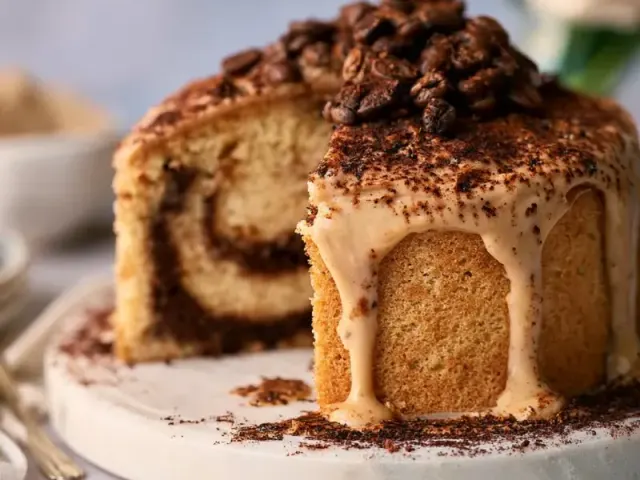
Espresso Swirl Coffee Cake: Tender Crumb & Bold Swirl
The first thing you notice is the aroma. Roasted coffee mingling with brown sugar and butter, drifting from the oven before the cake is even done. Then comes the first bite: a tender, moist crumb with a bold ribbon of espresso running through it, slightly caramelized from the brown sugar. This isn't a timid coffee cake. The espresso flavor is present but not bitter, thanks to a technique that blooms the powder in hot water before it hits the batter.

The Secret to a Non-Bitter Espresso Swirl
The key is the hot slurry. Dissolving instant espresso powder in just-boiled water before mixing it with brown sugar and cinnamon does two things. First, it fully activates the coffee compounds, releasing their deep, roasty flavor. Second, it prevents gritty pockets of dry powder in the finished cake. The result is a swirl that tastes like a concentrated espresso shot, not a dusty afterthought.
I keep the ratio at 2 tablespoons of espresso powder to 3 tablespoons of hot water. This creates a thick, syrupy paste that holds its shape when swirled. If the slurry is too thin, it will sink into the batter and disappear. If too thick, it won't spread. The consistency should be similar to warm honey.
Building the Tender Crumb
The base of this cake is a classic sour cream coffee cake. The sour cream provides acidity that tenderizes the gluten, giving a soft, fine crumb. It also adds moisture without making the cake heavy. I use full-fat sour cream for the best texture—low-fat versions contain more water and can make the cake gummy.
Room temperature ingredients are not optional here. Cold butter won't cream properly with the sugar, and cold eggs or sour cream can cause the batter to separate. Let everything sit on the counter for 20-30 minutes before you start. The butter should be soft enough to leave a slight dent when pressed with a finger, but not melted.
The Mixing Method
Cream the butter and granulated sugar until light and fluffy, about 2-3 minutes on medium speed. This aerates the butter, giving the cake lift. Add the eggs one at a time, beating well after each. Then alternate the dry ingredients with the sour cream, starting and ending with the flour. This prevents the batter from overmixing, which develops too much gluten and makes the cake tough.
Layering the Swirl
Spread exactly half of the batter into the prepared pan. Use an offset spatula or the back of a spoon to create an even layer. Drizzle the espresso slurry over the top—it doesn't need to cover every inch. Then, with a butter knife or skewer, make a few gentle figure-eight motions through the batter. Stop. Over-swirling is the most common mistake; it blends the espresso into the batter, leaving only a faint brown color instead of a distinct ribbon.
Spoon the remaining batter over the swirl in dollops, then carefully spread it to cover. It's fine if a little of the swirl peeks through—that's part of the charm.
The Streusel Topping
A good streusel should be buttery, crunchy, and slightly sandy. The trick is using cold butter and working it into the dry ingredients just until the mixture looks like coarse sand with a few pea-sized butter pieces. If the butter is too warm, the streusel will melt into a flat, greasy layer instead of staying crumbly. Chill the streusel while you make the batter to keep the butter firm.
I use a 1:1 ratio of flour to brown sugar by volume (1/2 cup each), with a little cinnamon. This gives a balanced sweetness that complements the espresso without overpowering it.
Baking and Doneness Cues
Bake at 350°F (177°C) for 35-40 minutes in a 9x9-inch metal or glass pan. The cake is done when a toothpick inserted into the center (avoiding a visible swirl pocket) comes out clean or with a few moist crumbs. The top should be golden brown, and the streusel should look dry and lightly toasted. If the streusel is browning too quickly after 25 minutes, tent the pan loosely with foil.
Let the cake cool in the pan on a wire rack for at least 20 minutes. This allows the structure to set so slices hold their shape. Cutting too early will cause the cake to crumble.
Serving and Storing
This cake is wonderful warm, when the streusel is still crunchy and the espresso swirl is soft and aromatic. It's also excellent at room temperature the next day, with a cup of black coffee. Store leftovers tightly covered at room temperature for up to 3 days, or refrigerate for up to 5. To reheat, microwave a slice for 10-15 seconds.
For a special touch, serve with a dollop of lightly sweetened whipped cream or a drizzle of vanilla glaze. The creaminess balances the coffee's edge.
A Few Notes on Substitutions
For a dairy-free version, use plant-based butter and full-fat coconut yogurt in place of sour cream. The texture will be slightly less tender but still good. For a gluten-free option, use a 1:1 gluten-free baking flour blend. Do not substitute instant coffee for espresso powder—the flavor will be too weak. This recipe contains wheat/gluten, dairy, and eggs. For specific dietary needs, consult a qualified professional.
The Takeaway
This espresso swirl coffee cake delivers on its promise: a tender, moist crumb with a bold coffee ribbon and a buttery, crunchy top. The technique of the hot slurry ensures the espresso flavor is deep and clean, never bitter. With precise measurements and clear steps, it's a recipe you can trust to work every time.
Frequently Asked Questions
Can I use regular instant coffee instead of espresso powder?
I do not recommend it. Instant coffee is much milder. Espresso powder gives that deep, roasty flavor without bitterness. If you must substitute, use 3 tablespoons of instant coffee granules, but the swirl will be less intense.
Why is my espresso swirl disappearing into the batter?
You likely over-swirled. Use just a few gentle figure-eight motions with a knife or skewer. The goal is a ribbon of swirl, not a fully blended batter. Also, make sure your first layer of batter is thick enough—it acts as a base.
Can I make this cake in a different pan size?
Yes. For an 8x8-inch pan, increase the baking time by 5-7 minutes. For a 9x13-inch pan, double the entire recipe and bake for 30-35 minutes. Always test with a toothpick for doneness.
Should the sour cream be at room temperature?
Yes. Room-temperature sour cream blends more evenly into the batter, creating a tender, moist crumb. If it's cold, the batter may curdle or be lumpy. Let it sit on the counter for 15-20 minutes before mixing.
Espresso Swirl Coffee Cake

A tender sour cream coffee cake with a deep espresso-brown sugar swirl and a buttery streusel topping. The espresso flavor comes from a hot slurry that blooms the coffee for a bold, non-bitter taste.
- 9x9-inch baking pan
- electric mixer (hand or stand)
- small saucepan
- mixing bowls
- rubber spatula
- whisk
- For the espresso swirl:
- 2 tablespoons instant espresso powder
- 3 tablespoons hot water (just off the boil)
- 1/4 cup packed light brown sugar
- 1 teaspoon ground cinnamon
- For the streusel topping:
- 1/2 cup all-purpose flour
- 1/3 cup packed light brown sugar
- 1/2 teaspoon ground cinnamon
- 1/4 cup cold unsalted butter (cut into small cubes)
- For the cake:
- 1 1/2 cups all-purpose flour
- 1 teaspoon baking powder
- 1/2 teaspoon baking soda
- 1/2 teaspoon salt
- 1/2 cup unsalted butter (softened to room temperature)
- 3/4 cup granulated sugar
- 2 large eggs (room temperature)
- 1 teaspoon vanilla extract
- 1 cup full-fat sour cream (room temperature)
- Preheat your oven to 350°F (177°C). Grease a 9x9-inch baking pan and line it with parchment paper, leaving an overhang on two opposite sides for easy lifting.
- Make the espresso swirl: In a small bowl, whisk the instant espresso powder with the hot water until fully dissolved. Stir in the brown sugar and cinnamon until smooth. Set aside. This slurry will be thick and syrupy.
- Make the streusel topping: In a medium bowl, whisk together the flour, brown sugar, and cinnamon. Add the cold butter cubes. Use your fingertips or a pastry cutter to rub the butter into the dry ingredients until the mixture resembles coarse sand with some pea-sized butter pieces. Refrigerate while you prepare the cake batter.
- Make the cake: In a separate bowl, whisk together the flour, baking powder, baking soda, and salt.
- In a large bowl, beat the softened butter and granulated sugar with an electric mixer on medium speed until light and fluffy, about 2-3 minutes. Scrape down the sides of the bowl.
- Add the eggs one at a time, beating well after each addition. Beat in the vanilla extract.
- With the mixer on low speed, add the flour mixture in three additions, alternating with the sour cream in two additions (begin and end with the flour). Mix just until combined. Do not overmix. The batter will be thick and slightly fluffy.
- Spread half of the batter evenly into the prepared pan. Drizzle the espresso swirl mixture over the batter in an even layer. Use a butter knife or skewer to gently swirl the espresso mixture into the batter—just a few figure-eight motions. Do not over-swirl or the layers will merge completely.
- Spoon the remaining batter over the swirl in dollops, then carefully spread it to cover the swirl as evenly as possible. It's okay if a little swirl peeks through.
- Sprinkle the chilled streusel topping evenly over the batter.
- Bake for 35-40 minutes, or until a toothpick inserted into the center (avoiding a swirl pocket) comes out clean or with a few moist crumbs. The top should be golden brown and the streusel fragrant.
- Let the cake cool in the pan on a wire rack for at least 20 minutes before slicing. Serve warm or at room temperature.
Storage: Cover leftover cake tightly with foil or plastic wrap and store at room temperature for up to 3 days. For longer storage, refrigerate for up to 5 days. Reheat individual slices in a microwave for 10-15 seconds. Freezing: Wrap the cooled, unsliced cake tightly in plastic wrap and then foil. Freeze for up to 3 months. Thaw overnight in the refrigerator and bring to room temperature before serving. Substitutions: For a dairy-free version, use a plant-based butter and sour cream alternative (full-fat coconut yogurt works well). The cake will be slightly less tender. For a gluten-free option, use a 1:1 gluten-free baking flour blend. Do not substitute instant coffee for espresso powder—instant coffee is weaker and will not yield the same bold flavor. Allergies: This recipe contains wheat/gluten, dairy, and eggs. For specific dietary needs, consult a qualified professional.
Recipe: Espresso Swirl Coffee Cake
Equipment
- 9x9-inch baking pan
- electric mixer (hand or stand)
- small saucepan
- mixing bowls
- rubber spatula
- whisk
Ingredients
- For the espresso swirl:
- 2 tablespoons instant espresso powder
- 3 tablespoons hot water (just off the boil)
- 1/4 cup packed light brown sugar
- 1 teaspoon ground cinnamon
- For the streusel topping:
- 1/2 cup all-purpose flour
- 1/3 cup packed light brown sugar
- 1/2 teaspoon ground cinnamon
- 1/4 cup cold unsalted butter (cut into small cubes)
- For the cake:
- 1 1/2 cups all-purpose flour
- 1 teaspoon baking powder
- 1/2 teaspoon baking soda
- 1/2 teaspoon salt
- 1/2 cup unsalted butter (softened to room temperature)
- 3/4 cup granulated sugar
- 2 large eggs (room temperature)
- 1 teaspoon vanilla extract
- 1 cup full-fat sour cream (room temperature)
Instructions
- Preheat your oven to 350°F (177°C). Grease a 9x9-inch baking pan and line it with parchment paper, leaving an overhang on two opposite sides for easy lifting.
- Make the espresso swirl: In a small bowl, whisk the instant espresso powder with the hot water until fully dissolved. Stir in the brown sugar and cinnamon until smooth. Set aside. This slurry will be thick and syrupy.
- Make the streusel topping: In a medium bowl, whisk together the flour, brown sugar, and cinnamon. Add the cold butter cubes. Use your fingertips or a pastry cutter to rub the butter into the dry ingredients until the mixture resembles coarse sand with some pea-sized butter pieces. Refrigerate while you prepare the cake batter.
- Make the cake: In a separate bowl, whisk together the flour, baking powder, baking soda, and salt.
- In a large bowl, beat the softened butter and granulated sugar with an electric mixer on medium speed until light and fluffy, about 2-3 minutes. Scrape down the sides of the bowl.
- Add the eggs one at a time, beating well after each addition. Beat in the vanilla extract.
- With the mixer on low speed, add the flour mixture in three additions, alternating with the sour cream in two additions (begin and end with the flour). Mix just until combined. Do not overmix. The batter will be thick and slightly fluffy.
- Spread half of the batter evenly into the prepared pan. Drizzle the espresso swirl mixture over the batter in an even layer. Use a butter knife or skewer to gently swirl the espresso mixture into the batter—just a few figure-eight motions. Do not over-swirl or the layers will merge completely.
- Spoon the remaining batter over the swirl in dollops, then carefully spread it to cover the swirl as evenly as possible. It's okay if a little swirl peeks through.
- Sprinkle the chilled streusel topping evenly over the batter.
- Bake for 35-40 minutes, or until a toothpick inserted into the center (avoiding a swirl pocket) comes out clean or with a few moist crumbs. The top should be golden brown and the streusel fragrant.
- Let the cake cool in the pan on a wire rack for at least 20 minutes before slicing. Serve warm or at room temperature.