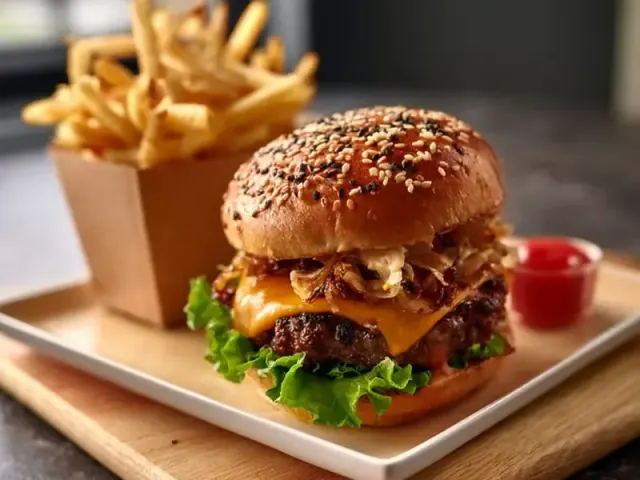
Family Grilled Burger Night: Perfect Patties Every Time
The sizzle of a patty hitting a hot griddle is one of those sounds that means good things are coming. Family burger night should feel like an event, but it doesn't require a restaurant setup or a secret recipe. What it does need is a solid technique: the right meat, the right heat, and a method that locks in flavor while building a crispy, caramelized crust.

I keep the ratio simple: 80/20 ground beef, cold, with just enough Worcestershire and salt to enhance the meat without masking it. The smash technique is my go-to—it creates maximum surface area for browning in minimal time. No flipping, no fuss, just a thin, juicy patty with lacy edges that crunch when you bite.
Choosing the Right Ground Beef
The fat content is non-negotiable. 80/20 (80% lean, 20% fat) gives you enough fat to keep the patty moist during the quick, high-heat cook. Anything leaner, like 90/10, will produce a dry, crumbly burger. I buy fresh ground chuck from a trusted source and keep it refrigerated until the last minute.
Divide the cold meat into equal portions—6 ounces each for a satisfying patty that fits a standard bun. Form each into a loose ball; do not overwork or compact the meat. Overhandling makes the patty dense and tough. Just enough pressure to hold it together is all you need.
The Smash Technique: Why It Works
The smash method does two things: it creates a thin patty that cooks quickly, and it maximizes the contact with the hot surface for deep browning. That browning is the Maillard reaction—the chemical process that produces complex, savory flavor. A thick patty takes longer to cook, which can dry out the interior before the crust forms.
Heat your cast iron skillet or flat griddle over medium-high heat until it's smoking lightly—around 400°F. Too low, and the patty steams instead of sears. Too high, and the exterior burns before the center cooks through. Drop the ball of beef onto the hot surface. Immediately place a square of parchment paper on top and press down firmly with a spatula until the patty is about 1/4-inch thick. The paper prevents sticking and keeps the spatula clean.
Season the top with kosher salt and black pepper. Let it cook undisturbed for 2-3 minutes. You'll see the edges turn deep brown and the fat start to bubble. That's the crust forming. Do not move the patty, do not press on it again, do not peek. Let it be.
Flipping and Cheese
Flip the patty with a thin metal spatula, scraping up any browned bits. Immediately top with a slice of American cheese—it melts smoothly and evenly. Cook for another 1-2 minutes, until the cheese is bubbly and the internal temperature hits 160°F. Use an instant-read thermometer for accuracy. Insert it sideways into the center of the patty.
While the cheese melts, butter the cut sides of your hamburger buns and toast them on the griddle, cut side down, for about 30 seconds. This step adds flavor and prevents the bun from getting soggy from the patty juices.
Building the Burger
Assemble immediately: bottom bun, patty with cheese, then your toppings. I keep it classic with lettuce, tomato, onion, and pickles. Ketchup, mustard, and mayonnaise go on the top bun. The order matters—the patty sits directly on the bottom bun so its heat slightly warms the bread, and the toppings on top stay fresh and crisp.
Serve right away. A smash burger doesn't hold well; the crust softens as it sits. That's why I cook them in batches, one or two at a time, and serve immediately.
Make-Ahead Tips and Storage
If you're prepping for a crowd, shape the patties between squares of parchment paper and refrigerate up to 24 hours. Let them sit at room temperature for 10 minutes before cooking. Do not salt them until just before cooking—salt draws out moisture and makes the meat dense.
Leftover cooked burgers can be stored in an airtight container in the refrigerator for up to 3 days. Reheat in a skillet over medium heat for best texture, adding a splash of water and covering to steam if you want to retain moisture. For food safety, never leave cooked burgers at room temperature for more than 2 hours.
Common Mistakes to Avoid
- Overworking the meat: Handle the ground beef as little as possible. Loose balls create tender patties.
- Pressing down while cooking: This squeezes out the juices. Let the patty cook undisturbed.
- Using too lean meat: 80/20 is the sweet spot. Anything leaner dries out.
- Not preheating the pan: A hot surface is essential for the crust. Wait until it smokes lightly.
Takeaway
Family grilled burger night doesn't need to be complicated. Focus on the technique: cold 80/20 beef, a hot griddle, the smash method, and a quick flip with cheese. The result is a burger with a crispy, savory crust and a juicy center that everyone will reach for. No secret ingredients, no fuss—just good technique that works every time.
Frequently Asked Questions
Why use 80/20 ground beef for burgers?
80/20 (80% lean, 20% fat) provides enough fat for a juicy, flavorful patty. Leaner blends dry out quickly on the grill. The fat renders into the crust, creating that signature crispy edge.
How do I keep burgers from puffing up on the grill?
The smash technique prevents puffing by pressing the patty thin and flat. Also, avoid pressing down on the patty while it cooks—that squeezes out juices. If you prefer thicker patties, make a small dimple in the center with your thumb before cooking.
What's the best way to toast burger buns?
Butter the cut sides lightly and toast on the hot griddle or skillet for about 30 seconds, until golden. This adds flavor and prevents sogginess from the patty juices.
Can I prepare the patties ahead of time?
Yes. Shape the patties between squares of parchment paper and refrigerate for up to 24 hours. Let them sit at room temperature for 10 minutes before cooking. Do not salt them until just before cooking, or the salt will draw out moisture and make them dense.
How do I know when the burger is done?
Use an instant-read thermometer inserted sideways into the center of the patty. For ground beef, the safe internal temperature is 160°F. Visual cues: the juices run clear, and the patty feels firm to the touch.
Perfect Smash Burger

A foolproof method for juicy, flavorful smash burgers with a crispy crust, ideal for family gatherings.
- cast iron skillet or flat griddle
- spatula
- instant-read thermometer
- mixing bowl
- parchment paper squares
- 1 1/2 pounds 80/20 ground beef (cold)
- 1 tablespoon Worcestershire sauce
- 1 teaspoon kosher salt
- 1/2 teaspoon black pepper
- 4 slices American cheese
- 4 soft hamburger buns
- 2 tablespoons unsalted butter (softened)
- Lettuce (tomato, onion, pickles (for serving))
- Ketchup (mustard, mayonnaise (for serving))
- Divide the cold ground beef into 4 equal portions (6 ounces each). Do not overwork. Form each into a loose ball.
- Heat a cast iron skillet or griddle over medium-high heat until it smokes lightly (about 400°F).
- Place a ball of beef on the hot surface. Immediately place a square of parchment paper on top and press down firmly with a spatula until the patty is about 1/4-inch thick.
- Season the top with salt and pepper. Cook for 2-3 minutes without moving, until the edges are brown and a deep crust forms.
- Flip the patty. Immediately top with a slice of cheese. Cook for another 1-2 minutes, until cheese melts and internal temperature reaches 160°F.
- While patties cook, butter the cut sides of the buns and toast them on the griddle until golden, about 30 seconds.
- Assemble burgers: bottom bun, patty with cheese, desired toppings, top bun. Serve immediately.
For make-ahead: shape patties between parchment squares and refrigerate up to 24 hours. Leftover cooked burgers can be stored in an airtight container for 3 days. Reheat in a skillet for best texture. Safe internal temperature for ground beef is 160°F. Common allergens: dairy (cheese, butter), gluten (buns). For gluten-free, use gluten-free buns. For dairy-free, omit cheese and use a dairy-free butter substitute.
Recipe: Perfect Smash Burger
Equipment
- cast iron skillet or flat griddle
- spatula
- instant-read thermometer
- mixing bowl
- parchment paper squares
Ingredients
- 1 1/2 pounds 80/20 ground beef (cold)
- 1 tablespoon Worcestershire sauce
- 1 teaspoon kosher salt
- 1/2 teaspoon black pepper
- 4 slices American cheese
- 4 soft hamburger buns
- 2 tablespoons unsalted butter (softened)
- Lettuce (tomato, onion, pickles (for serving))
- Ketchup (mustard, mayonnaise (for serving))
Instructions
- Divide the cold ground beef into 4 equal portions (6 ounces each). Do not overwork. Form each into a loose ball.
- Heat a cast iron skillet or griddle over medium-high heat until it smokes lightly (about 400°F).
- Place a ball of beef on the hot surface. Immediately place a square of parchment paper on top and press down firmly with a spatula until the patty is about 1/4-inch thick.
- Season the top with salt and pepper. Cook for 2-3 minutes without moving, until the edges are brown and a deep crust forms.
- Flip the patty. Immediately top with a slice of cheese. Cook for another 1-2 minutes, until cheese melts and internal temperature reaches 160°F.
- While patties cook, butter the cut sides of the buns and toast them on the griddle until golden, about 30 seconds.
- Assemble burgers: bottom bun, patty with cheese, desired toppings, top bun. Serve immediately.