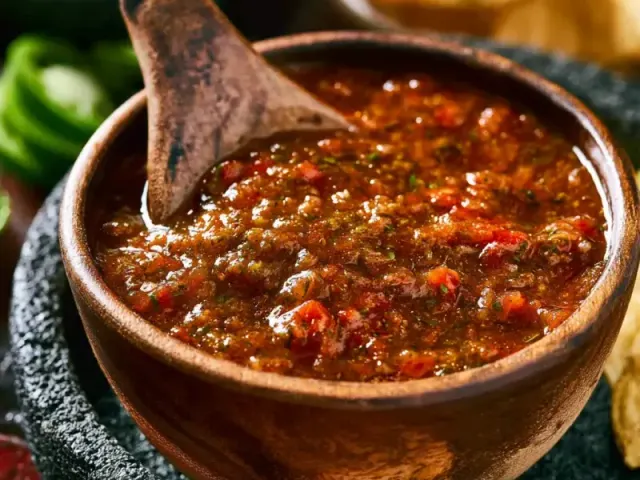
Fire-Roasted Salsa Recipe with Charred Tomato Technique
The first time I made fire-roasted salsa, I was chasing that deep, smoky flavor you get from a restaurant comal—but without a gas stove or grill. The trick, I found, is using your oven's broiler. It blisters tomatoes, peppers, and onions in minutes, concentrating their sweetness while adding a subtle char that transforms the whole salsa.

Why the Broiler Works Best
Direct high heat from the broiler mimics the intense, dry heat of a wood-fired grill. It chars the skins quickly without steaming the flesh, so the vegetables keep their structure. The key is distance: position your oven rack 6 inches from the heating element. Too close and the sugars burn bitter; too far and you get roasted vegetables, not charred ones.
Choosing the Right Tomatoes
Roma tomatoes are ideal here. They're meaty with fewer seeds and less water than beefsteak or heirloom varieties, so the salsa stays thick and concentrated. If you only have larger tomatoes, halve them lengthwise and remove some of the gel and seeds before broiling to prevent a watery salsa.
The Charring Process
Spread the tomatoes, jalapeños, onion quarters, and garlic cloves in a single layer on a rimmed baking sheet. Don't crowd them—steam needs to escape. Broil for 10-12 minutes total, flipping everything once with tongs at the 5-minute mark. You're looking for blackened, blistered patches on the skins, not an even all-over char. The garlic will be done earlier; remove it after 8 minutes if it starts to smell burnt.
A common mistake is to broil until everything is completely black. Stop when the tomato skins are about 50% charred and the flesh underneath is soft when pressed. Over-charring introduces a harsh, acrid bitterness that overpowers the other flavors.
Building the Flavor Base
Once the vegetables are cool enough to handle, peel the garlic cloves and discard the skins. For the jalapeños, you have a choice: leave the blackened skins on for extra smokiness (I do), or peel them for a cleaner taste. If you're sensitive to heat, slice the jalapeños open and scrape out the seeds and white membranes—that's where most of the capsaicin lives.
Transfer everything to a blender or food processor. Add fresh cilantro, lime juice, salt, and a small pinch of ground cumin. The cumin isn't traditional in all salsas, but a quarter teaspoon adds a warm, earthy note that bridges the charred and fresh flavors.