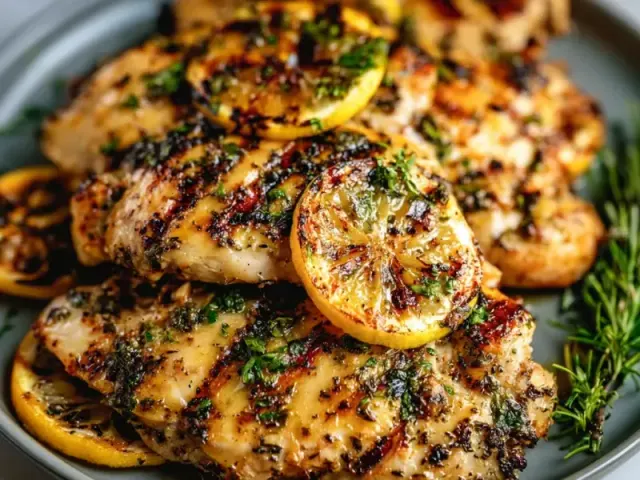
Juicy Grilled Lemon Herb Chicken Recipe
The scent of lemon and garlic hitting hot grill grates is one of those smells that says summer is here. But getting chicken to stay juicy instead of turning into a dry, flavorless puck? That takes a little know-how. My approach relies on a simple marinade with a specific acid-to-oil ratio and careful temperature control. No mushy meat, no burnt edges—just bright, herbaceous chicken with a golden char.

Why This Ratio Matters
Most marinades are either too acidic or too oily. I keep the ratio at 3 parts oil to 1 part acid. That's 1/4 cup olive oil to 3 tablespoons lemon juice. The oil carries the fat-soluble flavors from the herbs and garlic deep into the meat. The acid tenderizes just enough without turning the surface into mush. If you go overboard on lemon juice, the chicken's outer layer can become mealy after a few hours. Stick to that 3:1 ratio, and you'll get a balanced marinade that works every time.
The Right Herbs for the Job
Dried oregano and thyme are my go-tos here. They hold up to the heat of the grill without burning, unlike fresh herbs which can blacken and turn bitter. Dried herbs also infuse more flavor during the marinating time because they rehydrate in the oil and lemon juice. If you prefer fresh, triple the amount (1 tablespoon fresh oregano instead of 1 teaspoon dried) and add them in the last hour of marinating so they don't wilt completely.
Temperature Is Everything
Grilling chicken isn't about guessing. I use an instant-read thermometer every time. For boneless breasts, medium-high heat (400-450°F) gives you a good sear without burning the outside before the inside cooks through. Cook 5-6 minutes per side without moving the chicken. If you try to flip it too early, it will stick. When it releases easily, it's ready to turn.
For the juiciest results, pull the chicken at 160°F (71°C). Carryover cooking will raise the temperature to the safe 165°F (74°C) during the 5-minute rest. Skip the rest, and you'll lose those juices onto the cutting board instead of keeping them in the meat.
Common Mistake to Avoid
Don't marinate longer than 4 hours. I know it's tempting to set it up in the morning and grill at dinner, but the acid will break down the protein structure too much. The chicken turns soft and almost pasty. Thirty minutes is enough for good flavor; 4 hours is the absolute max. Set a timer if you need to.
Serving and Variations
Let the chicken rest on a cutting board for 5 minutes before slicing. Serve with fresh lemon slices—they add a bright pop of acidity that wakes up the whole dish. This chicken works well alongside grilled vegetables, a simple rice pilaf, or a crisp Greek salad. For a different twist, swap the dried thyme for rosemary or add a pinch of red pepper flakes for heat.
Handling Leftovers Safely
Refrigerate any leftovers within 2 hours. They'll keep for up to 3 days in an airtight container. Reheat gently in a skillet over medium-low heat with a splash of water or broth to bring back moisture. You can also slice the cold chicken over salads for lunch the next day.
A Final Takeaway
Great grilled lemon herb chicken comes down to three things: a balanced marinade, precise heat, and knowing when to pull it off the grill. Master those, and you'll have a weeknight dinner that feels like a summer celebration—without the stress.
Frequently Asked Questions
How long should I marinate the chicken?
At least 30 minutes for flavor, but no more than 4 hours. The acid in the lemon juice can start to cook the chicken if left too long, making it mushy.
Can I use dried herbs instead of fresh?
Yes. This recipe uses dried oregano and thyme. If using fresh, triple the amount (e.g., 1 tablespoon fresh oregano instead of 1 teaspoon dried). Add fresh herbs in the last hour of marinating for best flavor.
What if I don't have a grill?
You can cook this chicken in a grill pan or cast-iron skillet over medium-high heat. Follow the same timing and temperature cues. You'll still get nice char marks and a similar flavor.
How do I keep the chicken from drying out?
Don't overcook. Use an instant-read thermometer and pull the chicken at 160°F (71°F) — carryover cooking will bring it to a safe 165°F (74°C). Also, let it rest for 5 minutes before cutting. That step is crucial for keeping juices inside.
Grilled Lemon Herb Chicken

Juicy, flavorful grilled chicken with a bright lemon and herb marinade. A reliable weeknight dinner that works on breasts or thighs.
- grill (gas or charcoal)
- mixing bowl
- whisk
- tongs
- instant-read thermometer
- measuring cups and spoons
- shallow dish or zip-top bag
- 4 boneless (skinless chicken breasts (about 6 oz each))
- 1/4 cup olive oil
- 3 tablespoons fresh lemon juice (from about 1 lemon)
- 2 cloves garlic (minced)
- 1 teaspoon dried oregano
- 1 teaspoon dried thyme
- 1/2 teaspoon salt
- 1/4 teaspoon black pepper
- 1 lemon (sliced into rounds (for serving))
- In a small bowl, whisk together olive oil, lemon juice, minced garlic, oregano, thyme, salt, and pepper until combined.
- Place chicken breasts in a shallow dish or zip-top bag. Pour marinade over chicken, turning to coat. Seal and refrigerate for at least 30 minutes, or up to 4 hours. Do not exceed 4 hours or the acid will start to break down the meat's texture.
- Preheat your grill to medium-high heat, about 400-450°F (204-232°C). Clean and oil the grates.
- Remove chicken from marinade, letting excess drip off. Discard remaining marinade.
- Place chicken on the grill. Cook for 5-6 minutes per side, without moving, until grill marks form and the chicken releases easily from the grates.
- Check internal temperature with an instant-read thermometer inserted into the thickest part. Chicken is safe at 165°F (74°C). For juicier meat, pull it at 160°F (71°C) and let rest; carryover cooking will finish it.
- Transfer chicken to a cutting board. Let rest for 5 minutes before slicing or serving. This lets juices redistribute.
- Serve with fresh lemon slices on the side.
Storage: Refrigerate leftovers in an airtight container for up to 3 days. Reheat gently in a skillet or microwave. To freeze, wrap cooled chicken tightly and freeze for up to 2 months; thaw in the fridge overnight. For food safety, never leave cooked chicken at room temperature for more than 2 hours. If using chicken thighs, cook to the same internal temperature; they may take slightly longer. Common allergens: none in this recipe, but if serving with sides, check those for allergens. For specific dietary concerns, consult a qualified professional.
Recipe: Grilled Lemon Herb Chicken
Equipment
- grill (gas or charcoal)
- mixing bowl
- whisk
- tongs
- instant-read thermometer
- measuring cups and spoons
- shallow dish or zip-top bag
Ingredients
- 4 boneless (skinless chicken breasts (about 6 oz each))
- 1/4 cup olive oil
- 3 tablespoons fresh lemon juice (from about 1 lemon)
- 2 cloves garlic (minced)
- 1 teaspoon dried oregano
- 1 teaspoon dried thyme
- 1/2 teaspoon salt
- 1/4 teaspoon black pepper
- 1 lemon (sliced into rounds (for serving))
Instructions
- In a small bowl, whisk together olive oil, lemon juice, minced garlic, oregano, thyme, salt, and pepper until combined.
- Place chicken breasts in a shallow dish or zip-top bag. Pour marinade over chicken, turning to coat. Seal and refrigerate for at least 30 minutes, or up to 4 hours. Do not exceed 4 hours or the acid will start to break down the meat's texture.
- Preheat your grill to medium-high heat, about 400-450°F (204-232°C). Clean and oil the grates.
- Remove chicken from marinade, letting excess drip off. Discard remaining marinade.
- Place chicken on the grill. Cook for 5-6 minutes per side, without moving, until grill marks form and the chicken releases easily from the grates.
- Check internal temperature with an instant-read thermometer inserted into the thickest part. Chicken is safe at 165°F (74°C). For juicier meat, pull it at 160°F (71°C) and let rest; carryover cooking will finish it.
- Transfer chicken to a cutting board. Let rest for 5 minutes before slicing or serving. This lets juices redistribute.
- Serve with fresh lemon slices on the side.