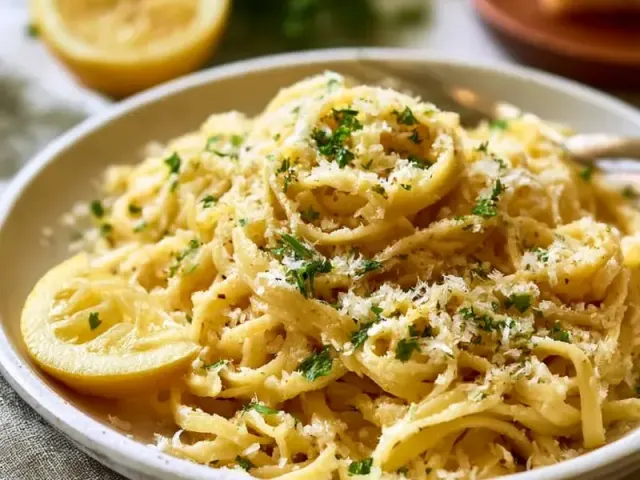
Lemon Parmesan Pasta: Bright, Creamy, 20-Minute Dinner
The first time I made lemon Parmesan pasta, I was skeptical. Could a sauce this simple—just butter, lemon, cheese, and starchy water—really deliver that creamy, tangy coating I wanted? The answer is yes, but only if you respect the technique. This isn't a recipe that relies on heavy cream or a roux. It's a lesson in emulsion, where the magic happens when you marry hot pasta water with finely grated Parmesan and a patient hand.

I keep the ratio at 1 cup of finely grated Parmesan to 12 ounces of pasta, with about 1 to 1 1/2 cups of reserved pasta water. That balance gives you a sauce that clings to every strand without being gloppy. The lemon is bright but not sour—use zest for aroma and juice for acidity. And the garlic? Thinly sliced, not minced, so it perfumes the butter without overwhelming the dish.
Why This Method Works
Most creamy pasta sauces start with a fat (butter or oil), then add liquid, then cheese. The key is temperature and timing. If you dump cold cheese into a hot pan, it seizes into clumps. If you add all the pasta water at once, the sauce becomes watery. Here's how I avoid both.
The Pasta Water Rule
Reserve at least 1 1/2 cups of pasta water before draining. It's not just for thinning the sauce—it's the binder. The starch in that water helps the Parmesan melt into a silky emulsion rather than a greasy mess. I start with 1/2 cup, then add more in 1/4-cup increments as I toss. The sauce should look thin at first. Trust the process. By the time you've added all the cheese and tossed for a minute, it will tighten into a creamy coating.
Grate Your Own Parmesan
Pre-shredded cheese is the enemy of this dish. It contains cellulose and anti-caking agents that prevent smooth melting. I use a microplane to grate a block of Parmigiano-Reggiano or Grana Padano. The fine, fluffy shreds dissolve almost instantly into the hot liquid. If you only have pre-shredded, it will still work, but the texture will be grainy. Expect that trade-off.
The Right Pan and Heat
I use a large 12-inch skillet. It gives the pasta room to move so the sauce coats evenly. A small pan crowds the noodles, leading to uneven cooking and a clumpy sauce. Keep the heat at medium-low when adding the cheese. High heat causes the proteins in the cheese to tighten up, creating a stringy, rubbery texture. Low and slow is the mantra here.
Common Mistakes and Fixes
Mistake #1: Overcooking the garlic. Garlic burns fast. Once it turns golden, it's done. Burnt garlic turns bitter and will ruin the sauce's fresh flavor. If that happens, start over—it's not worth salvaging.
Mistake #2: Adding all the cheese at once. I add the Parmesan in three batches, tossing well after each addition. This gives the cheese time to melt into the water before you add more. The result is a smooth, cohesive sauce.
Mistake #3: Skipping the zest. The lemon juice gives acidity, but the zest gives the floral, aromatic lemon essence that makes this dish sing. Zest the lemon before you juice it. Add the zest to the butter and garlic so the oils release into the fat.
Serving and Pairing
Serve this pasta immediately in warmed bowls. It cools quickly, and the sauce thickens as it sits. I like it with a simple green salad dressed with a sharp vinaigrette to cut through the richness. A side of crusty bread for sopping up any leftover sauce is never a bad idea.
For a more substantial meal, top with grilled shrimp, roasted chicken, or sautéed mushrooms. The lemon and Parmesan work beautifully with protein, but this pasta is satisfying enough on its own.
Takeaway
Lemon Parmesan pasta is a weeknight hero. It takes 20 minutes, uses pantry staples, and delivers a restaurant-quality sauce without cream. The technique is simple once you know the steps: grate your own cheese, reserve plenty of pasta water, keep the heat low, and add the cheese in batches. Master this method, and you'll have a go-to dinner that feels special any night of the week.
Frequently Asked Questions
Can I use a different type of pasta?
Yes. Long pasta like spaghetti, linguine, or fettuccine works best because the sauce clings to the strands. Short pasta like penne or fusilli also work, but you may need to adjust the sauce amount slightly.
Why did my sauce turn clumpy or stringy?
This usually happens if the heat is too high when you add the cheese, or if you add all the cheese at once. Keep the heat on low or medium-low, add the Parmesan in small handfuls, and toss vigorously between additions. Using pre-shredded cheese (which contains anti-caking agents) can also cause clumping—always grate your own from a block.
Can I make this dairy-free?
Yes. Replace the butter with a good olive oil and use a high-quality vegan Parmesan that melts well. The sauce will be slightly thinner but still flavorful. Add an extra tablespoon of lemon juice to brighten it up.
How do I keep the pasta from getting sticky after draining?
Do not rinse the pasta after draining. The starch on the surface helps the sauce cling. Also, toss the pasta immediately with the sauce. If you need to hold it for a minute, toss it with a drizzle of olive oil.
Lemon Parmesan Pasta

A bright, creamy pasta tossed with fresh lemon, garlic, and Parmesan cheese. No heavy cream needed—the sauce comes together with pasta water and technique.
- large pot
- colander
- large skillet or sauté pan
- microplane or zester
- chef's knife
- cutting board
- wooden spoon
- measuring cups and spoons
- 12 ounces dried spaghetti or linguine
- 2 tablespoons unsalted butter
- 3 cloves garlic (thinly sliced)
- 1 teaspoon lemon zest (from 1 large lemon)
- 1/4 cup fresh lemon juice (from 1-2 lemons)
- 1 cup finely grated Parmesan cheese (plus more for serving)
- 1/2 teaspoon kosher salt (plus more for pasta water)
- 1/4 teaspoon freshly ground black pepper
- 1/4 cup chopped fresh parsley (optional, for garnish)
- Bring a large pot of salted water to a rolling boil (about 1 tablespoon salt per 4 quarts water). Add the pasta and cook until al dente, about 1 minute less than package directions. Reserve 1 1/2 cups pasta water before draining. Drain pasta, but do not rinse.
- While the pasta cooks, melt the butter in a large skillet over medium heat. Add the sliced garlic and cook, stirring frequently, until fragrant and just golden, about 1 minute. Do not let it brown.
- Reduce heat to low. Add the lemon zest and lemon juice to the skillet. Stir for 30 seconds.
- Add 1/2 cup of the reserved pasta water to the skillet. Increase heat to medium-low and bring to a gentle simmer.
- Add the drained pasta to the skillet. Toss with tongs to coat. Sprinkle the Parmesan cheese over the pasta in three additions, tossing well after each addition. Add more pasta water, 1/4 cup at a time, until the sauce is creamy and coats each strand. The sauce will look thin at first but will thicken as the cheese melts and emulsifies.
- Season with salt and pepper. Taste and adjust lemon or salt as needed.
- Serve immediately in warm bowls. Top with extra Parmesan and parsley if using. The pasta will thicken as it cools, so serve right away.
Storage: This pasta is best served immediately. Leftovers can be refrigerated in an airtight container for up to 2 days. To reheat, add a splash of water or broth and warm gently in a skillet over low heat, tossing frequently. The sauce may separate slightly. For a dairy-free version, substitute the butter with olive oil and use a high-quality vegan Parmesan. Always handle hot pans and boiling water with care to avoid burns. For personalized dietary advice, consult a qualified professional.
Recipe: Lemon Parmesan Pasta
Equipment
- Large pot
- colander
- large skillet or sauté pan
- microplane or zester
- chef's knife
- cutting board
- wooden spoon
- measuring cups and spoons
Ingredients
- 12 ounces dried spaghetti or linguine
- 2 tablespoons unsalted butter
- 3 cloves garlic (thinly sliced)
- 1 teaspoon lemon zest (from 1 large lemon)
- 1/4 cup fresh lemon juice (from 1-2 lemons)
- 1 cup finely grated Parmesan cheese (plus more for serving)
- 1/2 teaspoon kosher salt (plus more for pasta water)
- 1/4 teaspoon freshly ground black pepper
- 1/4 cup chopped fresh parsley (optional, for garnish)
Instructions
- Bring a large pot of salted water to a rolling boil (about 1 tablespoon salt per 4 quarts water). Add the pasta and cook until al dente, about 1 minute less than package directions. Reserve 1 1/2 cups pasta water before draining. Drain pasta, but do not rinse.
- While the pasta cooks, melt the butter in a large skillet over medium heat. Add the sliced garlic and cook, stirring frequently, until fragrant and just golden, about 1 minute. Do not let it brown.
- Reduce heat to low. Add the lemon zest and lemon juice to the skillet. Stir for 30 seconds.
- Add 1/2 cup of the reserved pasta water to the skillet. Increase heat to medium-low and bring to a gentle simmer.
- Add the drained pasta to the skillet. Toss with tongs to coat. Sprinkle the Parmesan cheese over the pasta in three additions, tossing well after each addition. Add more pasta water, 1/4 cup at a time, until the sauce is creamy and coats each strand. The sauce will look thin at first but will thicken as the cheese melts and emulsifies.
- Season with salt and pepper. Taste and adjust lemon or salt as needed.
- Serve immediately in warm bowls. Top with extra Parmesan and parsley if using. The pasta will thicken as it cools, so serve right away.