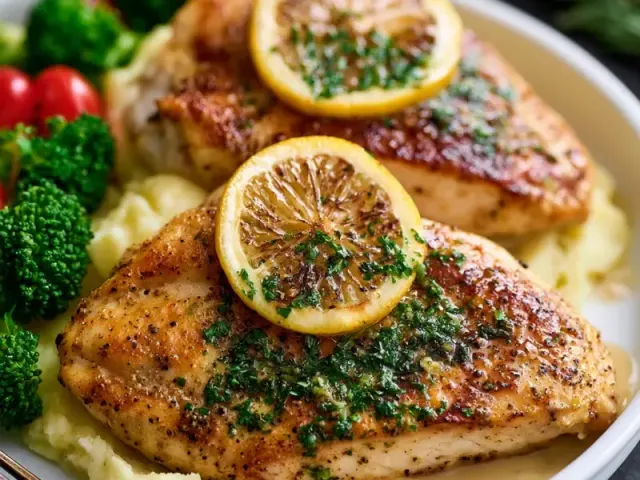
Lemon Pepper Chicken: Quick Skillet Recipe with Crispy Skin
The smell of lemon zest hitting a hot skillet is one of those kitchen moments that stops me mid-task. That sharp, citrusy brightness paired with cracked black pepper—it's a combination that feels simple but delivers real depth. This lemon pepper chicken is my go-to when I want a dinner that looks and tastes like I spent more time than I actually did.

The trick is in the technique, not the ingredient list. Most versions of this dish end up with pale, rubbery chicken and a thin, watery sauce. I avoid that by controlling two things: surface moisture and heat. Pat the chicken dry. Really dry. Then let the pan get hot before the meat goes in. That contrast creates the crust, and the crust locks in the juice.
Why This Method Works
Lemon pepper is a classic seasoning, but it often gets treated as a simple sprinkle-and-cook affair. That approach gives you a flat result—the pepper burns, the lemon flavor disappears. Here, I build the flavor in layers. First, a dry rub of fresh lemon zest, coarse black pepper, and salt. The zest sticks to the chicken and releases its oils as it sears. Then, after cooking, I deglaze the pan with broth, lemon juice, and a touch of honey. That creates a glossy sauce that picks up all the browned bits from the bottom of the skillet—the fond—which is pure concentrated flavor.
My ratio for the rub: for every pound of chicken, use 1 teaspoon kosher salt, 1/2 teaspoon black pepper, and the zest of one lemon. That's enough to season the surface without overwhelming the meat. The salt helps draw moisture to the surface, which then evaporates during searing, leaving a crisp exterior.
Choosing the Right Pan
Cast iron is ideal because it holds heat evenly and stays hot when you add the chicken. A stainless steel skillet works too, but avoid nonstick for this—it won't let the crust form properly. Whatever pan you use, preheat it over medium-high for a full two minutes. Test it by flicking a drop of water onto the surface; it should sizzle and evaporate immediately.
Pounding the Chicken
Uneven thickness is the enemy of a properly cooked chicken breast. The thin end dries out while the thick end stays undercooked. I pound each breast to a uniform half-inch thickness. Place the chicken between two sheets of plastic wrap and use a meat mallet or a rolling pin. Start from the center and work outward. This also tenderizes the meat slightly. Let the pounded chicken rest at room temperature for ten minutes after seasoning—this lets the salt penetrate and the meat relax, so it cooks more evenly.
The Searing Process
Add one tablespoon of butter and one tablespoon of olive oil to the hot skillet. The butter gives flavor and browning, while the oil raises the smoke point so the butter doesn't burn. Swirl to combine, then lay the chicken in the pan, presentation side down. Listen for a steady sizzle—if it's quiet, the pan isn't hot enough.
Cook without moving for four to five minutes. The chicken will release from the pan naturally when the crust is set. If you try to flip it and it sticks, it needs more time. The bottom should be deep golden brown with darker spots—that's the Maillard reaction at work. Flip and cook another three to four minutes. Use an instant-read thermometer inserted into the thickest part; pull the chicken at 160°F. It will carry-over cook to 165°F while resting.
Common mistake: crowding the pan. If the chicken pieces touch, they steam instead of sear. Work in batches if needed, or use two skillets.
Building the Pan Sauce
After removing the chicken, the pan should have brown bits stuck to the bottom. That's gold. Reduce the heat to medium, add the remaining butter and the minced garlic, and stir for thirty seconds. The garlic should become fragrant but not brown—brown garlic turns bitter. Pour in the chicken broth, lemon juice, and honey. Scrape up all those browned bits with a wooden spoon. This is called deglazing, and it dissolves the fond into the liquid.
Let the sauce simmer for two to three minutes. It should reduce by about half and become slightly syrupy. If it reduces too much, add a splash more broth. The capers are optional, but I like them—they add little bursts of brine that cut through the richness. Return the chicken to the skillet, spoon the sauce over the top, and let it warm through for one minute. Finish with fresh parsley for color and a mild herbaceous note.
Visual Cues at Each Stage
- Before cooking: chicken should be dry to the touch, with the rub evenly distributed.
- During searing: edges of the chicken turn opaque and golden; the sizzle is steady.
- After flipping: the cooked side is mahogany with darker edges, no pale spots.
- Sauce: bubbles are large and slow, indicating reduction; the liquid coats the back of a spoon.
Serving Suggestions
This chicken pairs well with simple sides that soak up the sauce. Mashed potatoes, steamed rice, or a bed of sautéed spinach all work. I often serve it with a crisp green salad dressed with lemon vinaigrette to echo the citrus notes. The whole meal comes together in about thirty minutes, start to finish.
Handling Leftovers
Store any leftover chicken and sauce in an airtight container in the refrigerator for up to three days. To reheat, place the chicken in a covered skillet over low heat with a tablespoon of broth or water. This prevents the meat from drying out. Avoid the microwave—it will toughen the chicken and make the sauce separate.
A Brief Takeaway
Lemon pepper chicken doesn't need a long ingredient list or complicated steps. What it needs is attention to a few key details: dry chicken, hot pan, proper sear, and a quick pan sauce that uses the fond. Master those, and you'll have a reliable weeknight dinner that feels special without the extra effort. The bright, peppery flavor and crispy skin speak for themselves.
Frequently Asked Questions
Can I use chicken thighs instead of breasts?
Yes, boneless skinless thighs work well. Cook them 5-6 minutes per side until they reach 175°F for best tenderness. The extra fat helps keep them moist.
How do I get the skin extra crispy?
Pat the chicken very dry before seasoning, and don't move it while searing. Let it form a crust naturally. Using a cast iron skillet helps maintain high heat.
Can I make this without capers?
Absolutely. Omit them entirely or substitute with a teaspoon of rinsed and chopped green olives for a similar briny pop. The dish still tastes bright and peppery without them.
Quick Skillet Lemon Pepper Chicken

Juicy chicken breasts with a crisp, peppery crust and a bright lemon pan sauce, ready in 30 minutes.
- 12-inch cast iron or stainless steel skillet
- meat mallet or rolling pin
- instant-read thermometer
- citrus juicer
- paper towels
- 4 boneless (skinless chicken breasts (about 6 oz each))
- 2 teaspoons kosher salt
- 1 teaspoon freshly ground black pepper
- 1 tablespoon lemon zest (from 2 lemons)
- 2 tablespoons unsalted butter (divided)
- 1 tablespoon olive oil
- 1/2 cup chicken broth (low sodium)
- 2 tablespoons fresh lemon juice
- 1 teaspoon honey
- 1 clove garlic (minced)
- 1 tablespoon capers (drained (optional))
- 2 tablespoons fresh parsley (chopped)
- Place chicken breasts between two sheets of plastic wrap. Pound to even 1/2-inch thickness using a meat mallet or rolling pin. Pat very dry with paper towels.
- In a small bowl, combine salt, black pepper, and lemon zest. Rub this mixture evenly over both sides of each breast. Let rest at room temperature for 10 minutes.
- Heat a 12-inch skillet over medium-high heat for 2 minutes. Add 1 tablespoon butter and olive oil, swirling to coat.
- Place chicken in skillet in a single layer (do not crowd). Cook 4-5 minutes without moving, until deep golden brown and crisp on the bottom. Flip and cook 3-4 minutes more, until internal temperature reaches 160°F (it will rise to 165°F while resting). Transfer to a plate, tent with foil.
- Reduce heat to medium. Add remaining 1 tablespoon butter and minced garlic. Sauté 30 seconds until fragrant.
- Pour in chicken broth, lemon juice, honey, and capers (if using). Scrape up browned bits with a wooden spoon. Simmer 2-3 minutes until slightly thickened and reduced by about half.
- Return chicken and any accumulated juices to skillet. Spoon sauce over breasts. Cook 1 minute to warm through.
- Sprinkle with fresh parsley. Serve immediately.
Storage: Refrigerate leftovers in an airtight container for up to 3 days. Reheat gently in a covered skillet over low heat with a splash of broth to prevent drying. This recipe contains dairy (butter) and is gluten-free as written. For dairy-free, substitute the butter with a neutral oil like avocado oil. Always handle raw chicken with care: wash hands and surfaces thoroughly, and use a separate cutting board. Safe internal temperature for chicken is 165°F. For specific dietary needs, consult a qualified professional.
Recipe: Quick Skillet Lemon Pepper Chicken
Equipment
- 12-inch cast iron or stainless steel skillet
- meat mallet or rolling pin
- instant-read thermometer
- citrus juicer
- paper towels
Ingredients
- 4 boneless (skinless chicken breasts (about 6 oz each))
- 2 teaspoons kosher salt
- 1 teaspoon freshly ground black pepper
- 1 tablespoon lemon zest (from 2 lemons)
- 2 tablespoons unsalted butter (divided)
- 1 tablespoon olive oil
- 1/2 cup chicken broth (low sodium)
- 2 tablespoons fresh lemon juice
- 1 teaspoon honey
- 1 clove garlic (minced)
- 1 tablespoon capers (drained (optional))
- 2 tablespoons fresh parsley (chopped)
Instructions
- Place chicken breasts between two sheets of plastic wrap. Pound to even 1/2-inch thickness using a meat mallet or rolling pin. Pat very dry with paper towels.
- In a small bowl, combine salt, black pepper, and lemon zest. Rub this mixture evenly over both sides of each breast. Let rest at room temperature for 10 minutes.
- Heat a 12-inch skillet over medium-high heat for 2 minutes. Add 1 tablespoon butter and olive oil, swirling to coat.
- Place chicken in skillet in a single layer (do not crowd). Cook 4-5 minutes without moving, until deep golden brown and crisp on the bottom. Flip and cook 3-4 minutes more, until internal temperature reaches 160°F (it will rise to 165°F while resting). Transfer to a plate, tent with foil.
- Reduce heat to medium. Add remaining 1 tablespoon butter and minced garlic. Sauté 30 seconds until fragrant.
- Pour in chicken broth, lemon juice, honey, and capers (if using). Scrape up browned bits with a wooden spoon. Simmer 2-3 minutes until slightly thickened and reduced by about half.
- Return chicken and any accumulated juices to skillet. Spoon sauce over breasts. Cook 1 minute to warm through.
- Sprinkle with fresh parsley. Serve immediately.