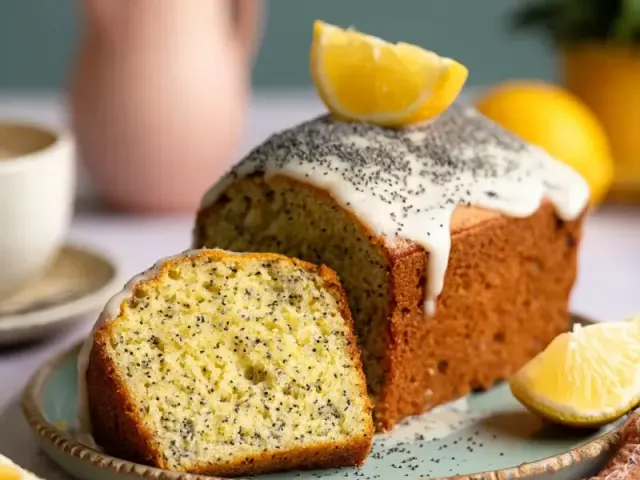
Lemon Poppy Seed Cake: Tender Crumb, Bright Citrus, No Dryness
There is something about the scent of fresh lemon zest hitting warm butter that instantly feels like sunshine on a gray day. The sharp, clean aroma fills the kitchen, promising a cake that is bright without being sour, tender without being fragile. And when tiny poppy seeds are scattered through the crumb, each slice offers a gentle pop of texture that makes every bite just a little more interesting.

This lemon poppy seed cake is one of those recipes I come back to again and again. It is simple enough for a weekday afternoon treat, but pretty enough to sit on a dessert table. The trick is in the technique—how you handle the butter, how you incorporate the citrus, and how you keep the crumb from drying out. Let me walk you through it.
Why This Recipe Works
Many lemon cakes end up dry or dense because the acid from the lemon juice can toughen the gluten in the flour. This recipe counters that in two ways. First, it uses buttermilk, which adds tenderness with its gentle acidity. Second, it alternates the dry ingredients with the buttermilk, starting and ending with flour. This method prevents the gluten from overdeveloping, so the cake stays soft and fine-crumbed.
The ratio of butter to sugar is also key. I keep the butter at 1 part butter to 2 parts sugar by weight—not too rich, not too lean. This gives a moist crumb without greasiness. The eggs are added one at a time, fully emulsifying each before the next goes in. That emulsion traps air, which helps the cake rise evenly.
Choosing Your Lemons
For the best flavor, use fresh lemons. You need both the zest and the juice. Zest the lemons before juicing—it is much easier that way. A Microplane or fine grater works beautifully. Avoid the white pith, which is bitter. You want about one tablespoon of zest, which usually takes two medium lemons. For the juice, you need about a quarter cup, which is roughly two lemons as well.
Room-temperature lemons release more juice than cold ones. If your lemons are straight from the fridge, microwave them for 10–15 seconds before rolling them firmly on the counter with your palm. This breaks down the membranes and gives you more juice.
The Poppy Seeds
Poppy seeds are tiny, but they bring a subtle nuttiness and a pleasant crunch. I add them directly to the dry ingredients so they distribute evenly throughout the batter. There is no need to soak them first—this cake bakes long enough for them to soften slightly without losing their texture. If you have a large batch, store poppy seeds in the freezer; they can go rancid at room temperature after a few months.