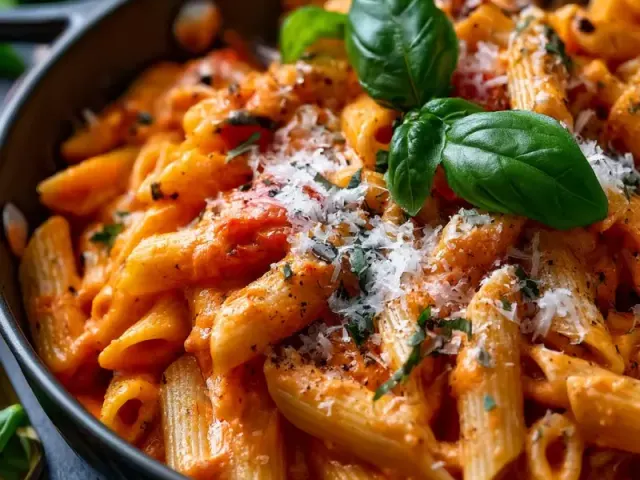
One-Pot Creamy Tomato Pasta Recipe (No Heavy Cream)
The first time I made a one-pot pasta, I was skeptical. Would the sauce really turn creamy without a splash of heavy cream? Would the pasta cook evenly without being drained? The answer, it turns out, is a confident yes—if you follow one crucial ratio and a specific technique. This one-pot creamy tomato pasta starts with whole canned tomatoes, not crushed or puréed, because they break down into a velvety texture that coats each strand. The starch from the pasta thickens the sauce naturally, so you get richness without a drop of cream.

Why This Method Works
The secret is the liquid-to-pasta ratio. I use 2 cups of water plus 1 cup of broth for 8 ounces of dried pasta. That's 3 cups total liquid, which the pasta absorbs as it cooks, releasing starch that emulsifies with the fat from the olive oil and butter. The result is a sauce that clings to the pasta, not a watery broth. The whole tomatoes are key—they break down into a silky puree when crushed and simmered, giving a deeper tomato flavor than canned crushed tomatoes, which can taste flat.
Choosing Your Tomatoes
I reach for a 28-ounce can of whole peeled tomatoes. San Marzano are ideal for their sweetness and low acidity, but any good-quality whole tomato works. Avoid diced tomatoes—they're treated with calcium chloride to hold their shape, so they won't break down into a creamy sauce. If you only have crushed tomatoes, see the FAQ for adjustments.
Step-by-Step: The Technique
1. Sauté the Aromatics
Start with a large pot or Dutch oven over medium heat. Add olive oil, then thinly sliced garlic—thick slices can burn before they soften. Red pepper flakes are optional but add a gentle warmth that balances the tomatoes. Cook just until fragrant, about 1 minute. If the garlic browns, the sauce will taste bitter.
2. Crush the Tomatoes
Pour in the whole tomatoes with their juices. Use a wooden spoon to crush them against the side of the pot until you have a chunky puree. This takes about 30 seconds. Then add the broth, salt, and water. Bring to a boil.
3. Cook the Pasta
Add the dried pasta, broken in half so it fits in the pot. Press it down to submerge it as much as possible. Cook at a steady boil, stirring every minute or two, for 10-12 minutes. The pasta will absorb the liquid and the sauce will thicken. Look for the sauce to coat the back of a spoon—if it's still watery, cook 1-2 minutes more. If it looks dry before the pasta is al dente, add a splash of water.
4. Finish Off Heat
Remove the pot from the heat. Add the Parmesan and butter, stirring vigorously until melted and glossy. The residual heat creates an emulsion that makes the sauce silky. Taste and adjust salt—canned tomatoes vary in saltiness. Serve immediately, because the pasta will continue to absorb sauce as it sits.
Common Mistakes to Avoid
Don't skip stirring. The pasta will stick to the bottom if you walk away. Don't add too much liquid—the ratio is precise. And don't use pre-grated Parmesan; it contains anti-caking agents that prevent smooth melting. Grate your own from a block.
Make It Your Own
For a protein boost, add 1 cup of cooked shredded chicken or crumbled Italian sausage after the pasta is cooked. For vegetables, stir in a handful of baby spinach at the end until wilted. This recipe is naturally nut-free and can be made dairy-free or gluten-free—see the notes above.
Takeaway
One-pot creamy tomato pasta proves you don't need cream or a separate saucepan for a luxurious sauce. The technique is simple: whole tomatoes, the right liquid ratio, and vigorous stirring at the end. It's a reliable weeknight dinner that delivers every time.
Frequently Asked Questions
Can I use crushed tomatoes instead of whole?
Yes, but the sauce may be thinner. Use 1 (28-ounce) can crushed tomatoes and reduce the broth to 1/2 cup. Simmer for 2-3 minutes longer to thicken.
Why is my pasta sticking together?
Stir frequently during cooking—every 1-2 minutes—to prevent sticking. Also make sure the pasta is mostly submerged in the liquid at the start.
How do I make this vegan?
Omit the Parmesan and butter. Instead, stir in 2 tablespoons nutritional yeast and 1 tablespoon extra-virgin olive oil after cooking. Use vegetable broth.
Can I use a different pasta shape?
Yes, but adjust cooking time. Short shapes like penne or fusilli work well. Cook until al dente, checking 2 minutes before the package time.
One-Pot Creamy Tomato Pasta

A silky, rich tomato sauce clings to every strand of pasta—made entirely in one pot, no heavy cream required.
- large pot or Dutch oven (5-6 quart)
- wooden spoon
- measuring cups and spoons
- chef's knife
- cutting board
- 2 tablespoons olive oil
- 4 cloves garlic (thinly sliced)
- 1/4 teaspoon red pepper flakes (optional)
- 1 28-ounce can whole peeled tomatoes
- 1 cup low-sodium vegetable or chicken broth
- 8 ounces dried spaghetti or linguine (broken in half)
- 1/2 teaspoon salt (plus more to taste)
- 1/4 cup finely grated Parmesan cheese (plus more for serving)
- 2 tablespoons unsalted butter (cut into small pieces)
- 2 tablespoons fresh basil leaves (torn (optional))
- Heat the olive oil in a large pot or Dutch oven over medium heat. Add the garlic and red pepper flakes and cook, stirring often, until fragrant but not browned, about 1 minute.
- Add the whole peeled tomatoes and their juices. Use a wooden spoon to crush the tomatoes into small pieces. Stir in the broth, salt, and 2 cups of water.
- Bring the liquid to a boil over high heat. Add the pasta, pressing it down so it's mostly submerged. Reduce heat to medium-high and cook, stirring frequently, for 10-12 minutes until the pasta is al dente and the sauce has thickened to coat the back of a spoon. The pasta will absorb most of the liquid—if it looks dry before the pasta is done, add 1/4 cup more water at a time.
- Remove the pot from the heat. Add the Parmesan and butter, stirring vigorously until melted and the sauce is silky and emulsified. Taste and adjust salt.
- Serve immediately, topped with extra Parmesan and torn basil.
Storage: Leftovers keep in an airtight container in the fridge for up to 3 days. The pasta will continue to absorb sauce; reheat with a splash of water or broth. To make dairy-free, omit the Parmesan and butter and stir in 2 tablespoons of nutritional yeast and 1 tablespoon of olive oil at the end. For gluten-free, use your favorite gluten-free pasta and reduce the broth by 1/4 cup. Always handle hot pots and boiling liquid with care to avoid burns.
Recipe: One-Pot Creamy Tomato Pasta
Equipment
- large pot or Dutch oven (5-6 quart)
- wooden spoon
- measuring cups and spoons
- chef's knife
- cutting board
Ingredients
- 2 tablespoons olive oil
- 4 cloves garlic (thinly sliced)
- 1/4 teaspoon red pepper flakes (optional)
- 1 28-ounce can whole peeled tomatoes
- 1 cup low-sodium vegetable or chicken broth
- 8 ounces dried spaghetti or linguine (broken in half)
- 1/2 teaspoon salt (plus more to taste)
- 1/4 cup finely grated Parmesan cheese (plus more for serving)
- 2 tablespoons unsalted butter (cut into small pieces)
- 2 tablespoons fresh basil leaves (torn (optional))
Instructions
- Heat the olive oil in a large pot or Dutch oven over medium heat. Add the garlic and red pepper flakes and cook, stirring often, until fragrant but not browned, about 1 minute.
- Add the whole peeled tomatoes and their juices. Use a wooden spoon to crush the tomatoes into small pieces. Stir in the broth, salt, and 2 cups of water.
- Bring the liquid to a boil over high heat. Add the pasta, pressing it down so it's mostly submerged. Reduce heat to medium-high and cook, stirring frequently, for 10-12 minutes until the pasta is al dente and the sauce has thickened to coat the back of a spoon. The pasta will absorb most of the liquid—if it looks dry before the pasta is done, add 1/4 cup more water at a time.
- Remove the pot from the heat. Add the Parmesan and butter, stirring vigorously until melted and the sauce is silky and emulsified. Taste and adjust salt.
- Serve immediately, topped with extra Parmesan and torn basil.