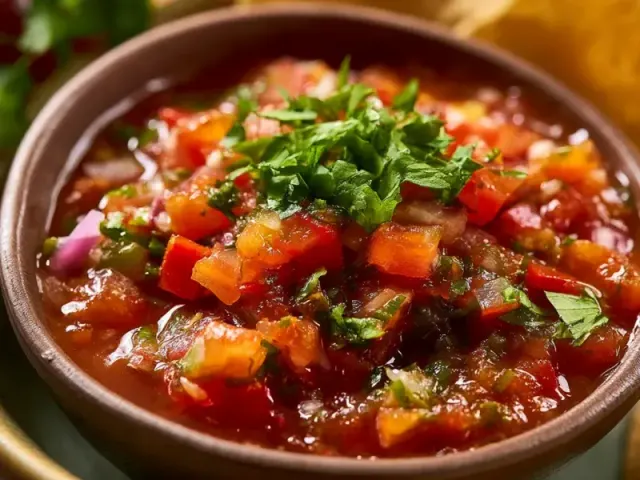
Restaurant-Style Mexican Salsa: My Roasted Tomato Method
The first time you taste a truly great restaurant-style Mexican salsa, it stops you mid-chip. It's not watery. It's not just tomato and onion floating in juice. It's smooth, smoky, and deeply savory—the kind that makes you wonder why your own attempts never taste quite right.

The secret isn't a special ingredient. It's a simple technique: roasting the tomatoes, jalapeño, and garlic under a broiler until they char. That's it. The high heat concentrates the sweetness of the tomatoes, mellows the garlic, and gives the jalapeño a subtle smokiness. I've been making salsa this way for years, and once you try it, you won't go back to raw.
Why Roasting Changes Everything
Broiling isn't just about adding color. At 500°F (260°C), the sugars in the tomatoes caramelize, and the cell walls break down, releasing natural pectin. That pectin is what gives the salsa its silky body without needing to add tomato paste or sugar. The charred bits on the skin also contribute a faint bitterness that balances the acidity—a nuance you can't get from a can.
The key ratio I keep is 4:1:1—four tomatoes to one jalapeño to one small onion. This gives you a salsa that's bold but not fiery, with enough onion crunch for texture. Adjust the jalapeño up or down depending on your heat tolerance.
Step-by-Step: The Roasting Method
Prepare Your Ingredients
Start with Roma tomatoes. They have less water content than beefsteak or heirloom varieties, so your salsa won't turn runny. Leave them whole—cutting them open releases juice that will evaporate under the broiler, and you want to keep that liquid for blending.
For the jalapeño, leave it whole as well. The stem and seeds stay on during roasting; you'll remove them later. This prevents the interior from drying out. The garlic stays in its papery skin—the skin protects the cloves from burning while allowing them to steam inside and turn buttery soft.
Broil with Precision
Place everything on a foil-lined baking sheet. Set your oven rack about 6 inches from the broiler element. Broil on high for 8-12 minutes total. At the 5-minute mark, check the garlic. If the skins are browning and the cloves feel soft when gently squeezed with tongs, pull them off and set aside. Let the tomatoes and jalapeño continue.
At 8 minutes, rotate the baking sheet and flip the tomatoes and jalapeño with tongs. You're looking for the skins to be blistered and blackened in patches—not entirely black, but about 30% charred. If the jalapeño skin is completely black, that's fine. The flesh inside will be smoky and tender.
Cool and Peel
Let the vegetables rest for 5 minutes. This makes peeling easier and allows the flavors to settle. Peel the garlic cloves—the skins should slip right off. For the jalapeño, you have a choice: remove the stem and seeds for a milder salsa, or leave some seeds for more heat. I usually remove half the seeds for a balanced kick.
Don't peel the tomatoes. The charred skin adds flavor and texture to the final salsa. Just transfer the tomatoes (with their juices) directly to the blender.
Blending to the Right Consistency
Add the peeled garlic, roughly chopped white onion, cilantro, lime juice, salt, and cumin to the blender. Cumin is optional, but a small amount—just 1/4 teaspoon—adds a warm, earthy note that ties everything together without tasting like taco seasoning.
For a smooth salsa like what you'd get at a taqueria, blend on low for 15-20 seconds. For a chunkier version, pulse 5-7 times until the tomatoes break down but you still see small pieces of onion and cilantro. A common mistake is over-blending, which aerates the salsa and makes it frothy. If that happens, let it rest for 5 minutes; the foam will settle.
Taste and adjust. Sometimes a tomato is less sweet, so an extra pinch of salt or another squeeze of lime can brighten it up. The salsa should taste balanced—acidic, savory, and slightly smoky.
Let It Rest
This is the step most home cooks skip. Let the salsa sit at room temperature for at least 10 minutes before serving. The flavors need time to marry. The raw onion mellows, the cilantro integrates, and the heat from the jalapeño spreads evenly. If you serve it immediately, it will taste disjointed—good, but not great.
For the best results, make the salsa an hour ahead and refrigerate it. Cold salsa served with warm chips is a beautiful contrast. The texture will thicken slightly as it chills.
What to Serve It With
This salsa is a workhorse. It's perfect with tortilla chips, but it also shines on tacos, burrito bowls, scrambled eggs, or grilled chicken. I've even spooned it over a simple baked potato for a quick dinner. The smoky depth pairs well with anything grilled or charred.
Common Mistakes to Avoid
- Skipping the broiler. Using raw tomatoes gives a bright, fresh salsa—but not a restaurant-style one. The broiler is non-negotiable for that deep flavor.
- Over-blending. You want a smooth texture, not a puree. Stop while you still see small flecks of color.
- Not tasting before serving. Tomatoes vary in acidity and sweetness. Always adjust salt and lime at the end.
- Forgetting the resting time. Patience pays off. A 10-minute rest transforms the salsa from good to memorable.
Storage and Make-Ahead Tips
Store the salsa in an airtight container in the refrigerator for up to 5 days. The flavors will deepen over the first 24 hours. I don't recommend freezing it—the texture becomes watery upon thawing. If you're meal-prepping, make the salsa up to two days ahead and keep it chilled.
This recipe is naturally free of common allergens (gluten, dairy, eggs, nuts). If you have specific dietary concerns, please consult a qualified professional for personalized advice.
Takeaway: A great restaurant-style Mexican salsa starts with the broiler. Roast your tomatoes, jalapeño, and garlic until charred, blend with onion and cilantro, and let it rest. That's the technique. The rest is just details—and now you know them.
Frequently Asked Questions
Can I use canned tomatoes instead of fresh?
Fresh Roma tomatoes give the best roasted flavor and texture, but in a pinch, you can use one 15-ounce can of fire-roasted tomatoes. Drain half the liquid first, then skip the broiling step and proceed with the rest of the recipe.
Why do I need to broil the garlic separately?
Garlic cloves cook faster than tomatoes and jalapeño. If left the full time, they can burn and turn bitter. Removing them at 5-6 minutes ensures they're soft and sweet without acrid notes.
How do I get a chunkier salsa like at a restaurant?
Pulse the blender in short bursts—about 5 quick pulses—and scrape down the sides once. Don't run it continuously. For even more texture, finely chop the onion and cilantro by hand and stir them in after blending the rest.
Restaurant-Style Roasted Tomato Salsa

A smoky, smooth salsa with roasted tomatoes, jalapeño, and garlic—perfect for chips, tacos, or burrito bowls.
- baking sheet
- blender or food processor
- chef's knife
- cutting board
- tongs
- small bowl
- measuring spoons
- 4 medium Roma tomatoes (about 1 lb)
- 1 jalapeño pepper
- 3 cloves garlic (unpeeled)
- 1/4 cup white onion (roughly chopped)
- 1/4 cup fresh cilantro leaves (packed)
- 1 tablespoon fresh lime juice (from about 1/2 lime)
- 1/2 teaspoon salt (plus more to taste)
- 1/4 teaspoon ground cumin
- Preheat your oven's broiler to high and position a rack about 6 inches from the heat source. Line a baking sheet with foil for easy cleanup.
- Place the whole Roma tomatoes, the whole jalapeño, and the unpeeled garlic cloves on the baking sheet. Broil for 8-12 minutes, turning once halfway through with tongs, until the tomato skins are charred and blistered in spots and the jalapeño skin is blackened. The garlic should be soft and fragrant—remove it earlier if it's browning too fast (around 5-6 minutes).
- Let the vegetables cool for 5 minutes. Peel the garlic cloves and discard the skins. Remove the jalapeño stem (and seeds for less heat—see note). Transfer the tomatoes and any juices from the baking sheet to a blender or food processor.
- Add the peeled garlic, chopped white onion, cilantro, lime juice, salt, and cumin. Pulse 5-7 times for a chunky texture, or blend on low for 15-20 seconds for a smoother salsa. Taste and adjust salt or lime as needed.
- Transfer to a bowl and let sit for 10 minutes at room temperature—the flavors will meld and deepen. Serve immediately or refrigerate.
For a milder salsa, remove the jalapeño seeds and white ribs before blending. For more heat, keep them in. Store leftovers in an airtight container in the fridge for up to 5 days. The flavor improves after a day. This salsa is naturally gluten-free, dairy-free, and vegan. If you have nightshade sensitivities, consult a qualified professional before trying.
Recipe: Restaurant-Style Roasted Tomato Salsa
Equipment
- baking sheet
- blender or food processor
- chef's knife
- cutting board
- tongs
- small bowl
- measuring spoons
Ingredients
- 4 medium Roma tomatoes (about 1 lb)
- 1 jalapeño pepper
- 3 cloves garlic (unpeeled)
- 1/4 cup white onion (roughly chopped)
- 1/4 cup fresh cilantro leaves (packed)
- 1 tablespoon fresh lime juice (from about 1/2 lime)
- 1/2 teaspoon salt (plus more to taste)
- 1/4 teaspoon ground cumin
Instructions
- Preheat your oven's broiler to high and position a rack about 6 inches from the heat source. Line a baking sheet with foil for easy cleanup.
- Place the whole Roma tomatoes, the whole jalapeño, and the unpeeled garlic cloves on the baking sheet. Broil for 8-12 minutes, turning once halfway through with tongs, until the tomato skins are charred and blistered in spots and the jalapeño skin is blackened. The garlic should be soft and fragrant—remove it earlier if it's browning too fast (around 5-6 minutes).
- Let the vegetables cool for 5 minutes. Peel the garlic cloves and discard the skins. Remove the jalapeño stem (and seeds for less heat—see note). Transfer the tomatoes and any juices from the baking sheet to a blender or food processor.
- Add the peeled garlic, chopped white onion, cilantro, lime juice, salt, and cumin. Pulse 5-7 times for a chunky texture, or blend on low for 15-20 seconds for a smoother salsa. Taste and adjust salt or lime as needed.
- Transfer to a bowl and let sit for 10 minutes at room temperature—the flavors will meld and deepen. Serve immediately or refrigerate.