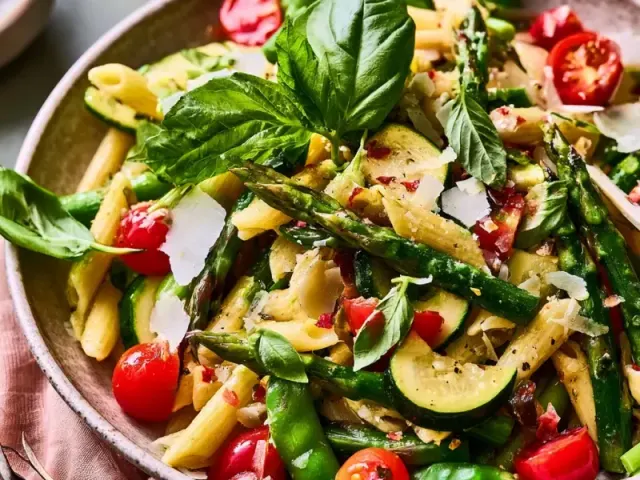
Summer Veggie Pasta Primavera
The smell of zucchini hitting a hot skillet. That first pop of a cherry tomato as it softens. This is the sound and scent of summer dinner, and it comes together in one pan and one pot in under half an hour.

Why This Method Works
Pasta primavera translates to "spring pasta," but it's at its peak in summer when zucchini, yellow squash, bell peppers, and tomatoes are at the farmers' market. The key is to cook the vegetables quickly over high heat so they keep a little bite — not steam into mush. I keep the ratio at about 3 cups of vegetables for every 12 ounces of pasta. That gives you a generous, colorful mix without overwhelming the noodles.
The Secret: Pasta Water
Reserve a half cup of the starchy pasta water before draining. That cloudy liquid is liquid gold. It helps the sauce cling to every piece of pasta and vegetable, and it lets you use less oil and cheese. I add it a little at a time while tossing, until the pasta looks glossy but not soupy. If you skip this step, your primavera will be dry and clumpy.
Building the Vegetables
Start with a large skillet — 12 inches is ideal — over medium-high heat. Add the olive oil and let it shimmer, then add the zucchini and yellow squash in a single layer. Let them sit for a full 2 minutes without stirring. That gives you a light char, which adds a nutty flavor and keeps the pieces from getting watery. After that, stir and cook for 2 more minutes. Then add the bell pepper and cherry tomatoes. The tomatoes need only a minute — just until their skins begin to wrinkle. Overcook them and they turn into jam.
Garlic Timing Matters
Add the minced garlic and red pepper flakes at the very end of the vegetable cooking time, and only cook them for 30 seconds. Garlic burns fast, and burnt garlic turns bitter. If you add it too early, the whole dish will taste scorched rather than bright. Stir constantly during those 30 seconds, then immediately reduce the heat to low and add the pasta.
Tossing and Finishing
Pour the drained pasta into the skillet with the vegetables. Add a quarter cup of the reserved pasta water and toss with a wooden spoon or tongs. If the pasta looks dry, add more water one tablespoon at a time — you may use up to a half cup total. Remove the skillet from the heat. Stir in the grated Parmesan, fresh lemon juice, and chopped basil. The lemon juice is crucial — it cuts through the richness of the cheese and brightens every bite. Taste and add salt and black pepper as needed. Serve immediately, while the vegetables are still warm and the pasta is tender.
Common Mistakes to Avoid
- Overcooking the vegetables: They should be tender-crisp, not limp. High heat and short cooking time are key.
- Forgetting the pasta water: Without it, the dish will be dry. Always reserve some before draining.
- Adding garlic too early: It burns quickly. Add it only for the last 30 seconds of cooking.
- Skipping the lemon: It balances the richness and adds freshness. Don't leave it out.
Make It Your Own
This recipe is a template. Swap in whatever summer vegetables you have — asparagus, snap peas, or green beans all work well. For protein, add grilled chicken, shrimp, or white beans. If you need it dairy-free, skip the Parmesan or use a vegan alternative. For gluten-free, choose your favorite gluten-free pasta and adjust the cooking time.
Takeaway: Summer Veggie Pasta Primavera is about letting fresh vegetables shine with a light, bright sauce. The technique of reserving pasta water and cooking vegetables over high heat makes it reliably good every time. For personal dietary decisions, consult a qualified professional.
Frequently Asked Questions
Can I use other vegetables for this pasta primavera?
Absolutely. This recipe is flexible. Try asparagus, snap peas, broccoli florets, or green beans. Just cut them into similar-sized pieces and adjust cooking time as needed — denser vegetables like broccoli may need an extra minute.
How do I keep the pasta from getting mushy?
Cook the pasta just to al dente — about 1 minute less than the package directs. It will finish cooking in the skillet with the sauce. Also, reserve pasta water before draining; it's key for a silky sauce without extra oil.
Can I make this pasta primavera ahead of time?
It's best served fresh, but you can prep the vegetables up to a day ahead and store them in the fridge. Cooked leftovers keep for up to 3 days. Reheat gently with a splash of water or broth to revive the sauce.
Summer Veggie Pasta Primavera

A light, fresh pasta dish loaded with summer vegetables and a simple lemon herb sauce. Ready in 30 minutes.
- large pot
- colander
- large skillet
- chef's knife
- cutting board
- wooden spoon
- measuring cups and spoons
- box grater
- 12 ounces pasta (penne or farfalle)
- 2 tablespoons olive oil
- 1 medium zucchini (halved and sliced into half-moons)
- 1 medium yellow squash (halved and sliced into half-moons)
- 1 red bell pepper (thinly sliced)
- 1 cup cherry tomatoes (halved)
- 3 cloves garlic (minced)
- 1/2 teaspoon red pepper flakes (optional)
- 1/2 cup reserved pasta water
- 1/4 cup grated Parmesan cheese
- 2 tablespoons fresh lemon juice
- 1/4 cup fresh basil (chopped)
- Salt and black pepper to taste
- Bring a large pot of salted water to a rolling boil. Add the pasta and cook until al dente, about 1 minute less than package directions. Reserve 1/2 cup of pasta water before draining.
- While the pasta cooks, heat olive oil in a large skillet over medium-high heat. Add the zucchini, yellow squash, and bell pepper. Cook without stirring for 2 minutes to get a slight char, then stir and cook for 2 more minutes until tender-crisp.
- Add the cherry tomatoes and cook for 1 minute, until they just begin to soften. Stir in the garlic and red pepper flakes (if using) and cook for 30 seconds until fragrant.
- Reduce heat to low. Add the drained pasta to the skillet along with 1/4 cup of the reserved pasta water. Toss to combine, adding more pasta water a tablespoon at a time if the pasta seems dry.
- Remove from heat. Stir in the Parmesan cheese, lemon juice, and basil. Season with salt and black pepper to taste. Serve immediately, topped with extra Parmesan and basil if desired.
Storage: Refrigerate leftovers in an airtight container for up to 3 days. To reheat, add a splash of water or broth and warm in a skillet over medium-low heat. The pasta will absorb some sauce, so freshen it up. For a dairy-free version, omit Parmesan and use a vegan alternative or a sprinkle of nutritional yeast. For a gluten-free option, use your favorite gluten-free pasta and adjust cooking time as directed. Always handle hot pans and boiling water carefully.
Recipe: Summer Veggie Pasta Primavera
Equipment
- large pot
- colander
- large skillet
- chef's knife
- cutting board
- wooden spoon
- measuring cups and spoons
- box grater
Ingredients
- 12 ounces pasta (penne or farfalle)
- 2 tablespoons olive oil
- 1 medium zucchini (halved and sliced into half-moons)
- 1 medium yellow squash (halved and sliced into half-moons)
- 1 red bell pepper (thinly sliced)
- 1 cup cherry tomatoes (halved)
- 3 cloves garlic (minced)
- 1/2 teaspoon red pepper flakes (optional)
- 1/2 cup reserved pasta water
- 1/4 cup grated Parmesan cheese
- 2 tablespoons fresh lemon juice
- 1/4 cup fresh basil (chopped)
- Salt and black pepper to taste
Instructions
- Bring a large pot of salted water to a rolling boil. Add the pasta and cook until al dente, about 1 minute less than package directions. Reserve 1/2 cup of pasta water before draining.
- While the pasta cooks, heat olive oil in a large skillet over medium-high heat. Add the zucchini, yellow squash, and bell pepper. Cook without stirring for 2 minutes to get a slight char, then stir and cook for 2 more minutes until tender-crisp.
- Add the cherry tomatoes and cook for 1 minute, until they just begin to soften. Stir in the garlic and red pepper flakes (if using) and cook for 30 seconds until fragrant.
- Reduce heat to low. Add the drained pasta to the skillet along with 1/4 cup of the reserved pasta water. Toss to combine, adding more pasta water a tablespoon at a time if the pasta seems dry.
- Remove from heat. Stir in the Parmesan cheese, lemon juice, and basil. Season with salt and black pepper to taste. Serve immediately, topped with extra Parmesan and basil if desired.