
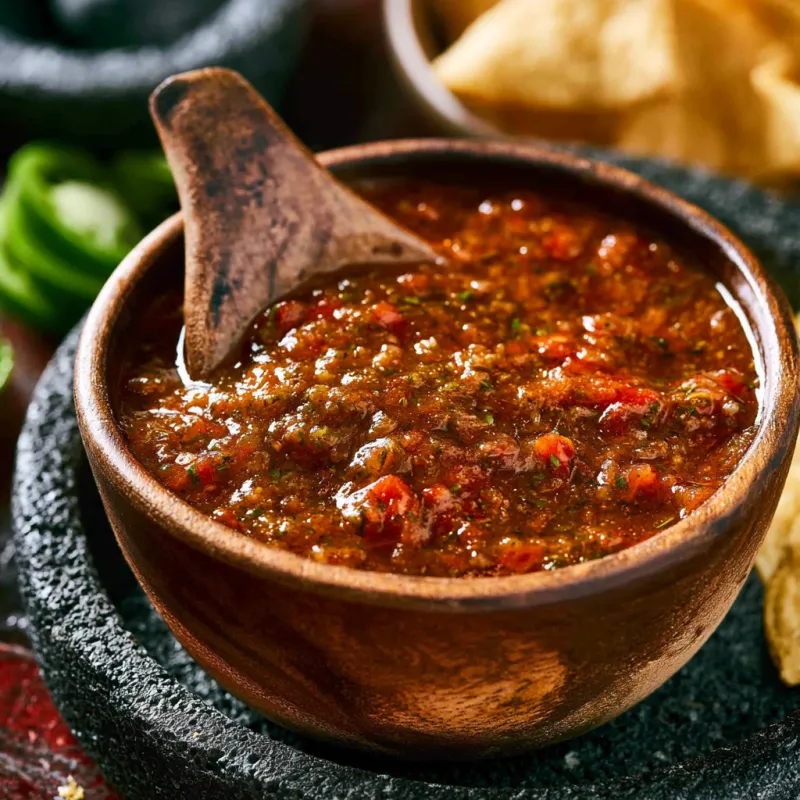
The first time I made fire-roasted salsa, I was chasing that deep, smoky flavor you get from a restaurant comal—but without a gas stove or grill. The trick, I found, is using your oven’s broiler. It blisters tomatoes, peppers, and onions in minutes, concentrating their sweetness while adding a subtle char that transforms the whole salsa.

Why the Broiler Works Best
Direct high heat from the broiler mimics the intense, dry heat of a wood-fired grill. It chars the skins quickly without steaming the flesh, so the vegetables keep their structure. The key is distance: position your oven rack 6 inches from the heating element. Too close and the sugars burn bitter; too far and you get roasted vegetables, not charred ones.
Choosing the Right Tomatoes
Roma tomatoes are ideal here. They’re meaty with fewer seeds and less water than beefsteak or heirloom varieties, so the salsa stays thick and concentrated. If you only have larger tomatoes, halve them lengthwise and remove some of the gel and seeds before broiling to prevent a watery salsa.
The Charring Process
Spread the tomatoes, jalapeños, onion quarters, and garlic cloves in a single layer on a rimmed baking sheet. Don’t crowd them—steam needs to escape. Broil for 10-12 minutes total, flipping everything once with tongs at the 5-minute mark. You’re looking for blackened, blistered patches on the skins, not an even all-over char. The garlic will be done earlier; remove it after 8 minutes if it starts to smell burnt.
A common mistake is to broil until everything is completely black. Stop when the tomato skins are about 50% charred and the flesh underneath is soft when pressed. Over-charring introduces a harsh, acrid bitterness that overpowers the other flavors.
Building the Flavor Base
Once the vegetables are cool enough to handle, peel the garlic cloves and discard the skins. For the jalapeños, you have a choice: leave the blackened skins on for extra smokiness (I do), or peel them for a cleaner taste. If you’re sensitive to heat, slice the jalapeños open and scrape out the seeds and white membranes—that’s where most of the capsaicin lives.
Transfer everything to a blender or food processor. Add fresh cilantro, lime juice, salt, and a small pinch of ground cumin. The cumin isn’t traditional in all salsas, but a quarter teaspoon adds a warm, earthy note that bridges the charred and fresh flavors.
Texture: Chunky vs. Smooth
For a chunky, rustic salsa, pulse 8-10 times—you want visible pieces of tomato and onion. For a smoother, more emulsified salsa that clings to chips, blend continuously for 15-20 seconds. I prefer the middle ground: pulse until the mixture is mostly uniform but still has small flecks of charred skin and cilantro.
Here’s the most important step after blending: let the salsa rest for at least 15 minutes before serving. The flavors need time to marry. Taste it right after blending and it will taste harsh and acidic. After 15 minutes, the lime and salt settle, the charred notes soften, and the heat from the jalapeños spreads evenly.
Adjusting Heat and Acidity
Start with one jalapeño. If you want more heat, add a second roasted jalapeño (or a serrano) in increments. For acidity, use fresh lime juice only—bottled juice tastes flat. The lime should brighten the salsa, not dominate it. If the salsa tastes too sharp after resting, stir in a pinch of sugar to balance.
Storing and Serving
This salsa keeps well in the fridge for up to a week. The flavor actually deepens after a day. For longer storage, freeze it in a freezer-safe container for up to 3 months. Thaw overnight in the fridge and stir before serving.
Serve it with tortilla chips, on tacos, over grilled chicken or fish, or stirred into scrambled eggs. It’s also excellent as a topping for black bean soup or a simple rice bowl.
Takeaway
The difference between good salsa and great fire-roasted salsa comes down to technique: broil close and fast, don’t over-char, and always let it rest. Once you dial in that ratio of smoke to acid to salt, you’ll never reach for a jar again.
Frequently Asked Questions
Can I make this salsa less spicy?
Yes. For a milder salsa, remove the seeds and white ribs from the jalapeños before blending. You can also swap one jalapeño for a poblano pepper, which has a milder heat.
Do I have to peel the tomatoes after broiling?
Peeling is optional. The charred skins add a slightly bitter, smoky flavor that many people enjoy. If you prefer a smoother texture, peel the skins off after the tomatoes cool—they slip off easily.
Can I use canned fire-roasted tomatoes instead?
You can, but the flavor will be less intense. Use one 14.5-ounce can of fire-roasted tomatoes, drained, and skip the broiling step. Char the onion, jalapeños, and garlic separately under the broiler for 8-10 minutes to maintain some smokiness.
How long does this salsa keep in the fridge?
Stored in an airtight container, it stays fresh for up to 1 week. The flavor actually deepens after a day.
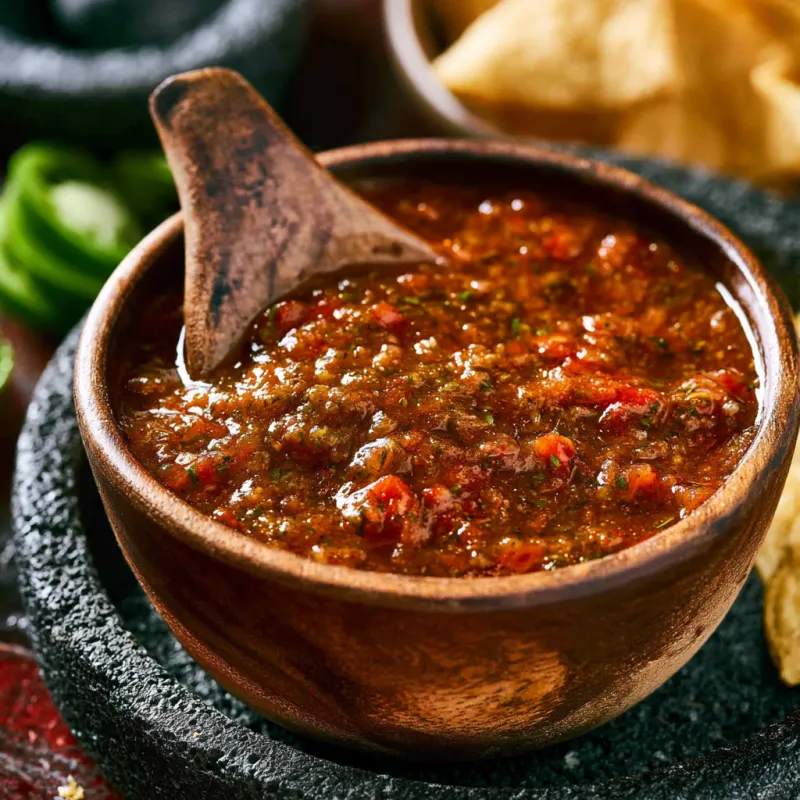
Fire-Roasted Salsa
Ingredients
Equipment
Method
- Position an oven rack 6 inches from the broiler and preheat the broiler to high.
- Place the Roma tomatoes, jalapeños, onion quarters, and unpeeled garlic cloves on a rimmed baking sheet. Broil for 10-12 minutes, turning once halfway, until the tomato skins are blackened and blistered in spots and the onion edges are charred.
- Remove the baking sheet from the oven. Transfer the garlic cloves to a small bowl to cool slightly. Let the remaining vegetables cool on the sheet for 5 minutes.
- Once cool enough to handle, peel the garlic cloves and discard the skins. For the jalapeños, you can leave the stems on but remove the blackened skins if you prefer a milder salsa (the skins add bitterness). If you want less heat, slice the jalapeños open and scrape out the seeds and white ribs before adding to the blender.
- Transfer the charred tomatoes, jalapeños, onion, and peeled garlic to a blender or food processor. Add the cilantro, lime juice, salt, and cumin.
- Pulse 8-10 times for a chunky salsa, or blend continuously for 15-20 seconds for a smoother texture. Taste and adjust salt or lime juice as needed.
- Transfer to a bowl and let rest for at least 15 minutes before serving to allow flavors to meld. Serve at room temperature or chilled.