
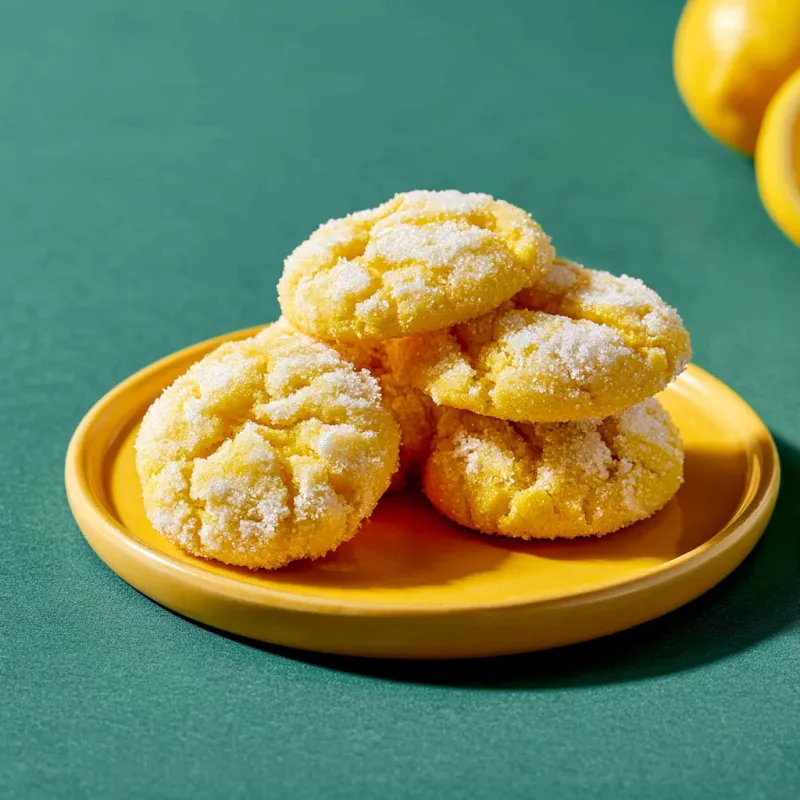
The first time I made lemon sugar cookies, I was chasing that perfect balance: a cookie that crunches just slightly when you bite in, then gives way to a soft, tender center. And the lemon — bright, not artificial, not shy. After many batches, I landed on a specific ratio that delivers every time. The secret is in the lemon-sugar coating, not a glaze. It bakes into a delicate, crackly crust that holds the citrus flavor right on the surface, while the inside stays soft.

Why This Ratio Works
I keep the butter-to-flour ratio at 1:2.5 by weight — that’s 226g butter to 300g flour. This gives a dough that’s sturdy enough to roll and cut without sticking, yet tender enough to melt in your mouth. The lemon zest goes into both the dough and the coating. That double hit of zest is what makes these cookies taste genuinely lemony, not just sweet with a hint of sour. The lemon juice in the dough adds acidity that tenderizes the gluten, so the cookies stay soft even after cooling.
The Technique That Prevents Spread
Chilling is non-negotiable. I chill the dough for at least one hour, but two is better. This firms the butter so it melts slowly in the oven, giving the cookies time to set before they spread. If you skip this step, you’ll get flat, greasy cookies with blurred edges. Roll the dough directly from the fridge — if it cracks at the edges, let it sit for 5 minutes, then roll. Use a light dusting of flour on your surface and rolling pin, but not too much, or the cookies will be dry.
The Lemon-Sugar Coating
Mix 1/4 cup of granulated sugar with 1 tablespoon of fresh lemon zest. Rub the zest into the sugar with your fingertips until the sugar turns pale yellow and smells intensely of lemon. This releases the essential oils from the zest, infusing the sugar. Sprinkle this mixture generously over the cut cookies just before they go into the oven. Don’t press it in — let it sit on top. As the cookies bake, the sugar will melt slightly and form a thin, crisp shell.
Baking for the Perfect Texture
Bake at 350°F for 9 to 11 minutes. I rotate the pans halfway through to ensure even browning. The visual cue: the edges should be set and just barely golden, but the centers will look soft, slightly puffed, and pale. If you touch the center, it should feel firm but not hard. Do not wait for the centers to look fully baked — they will continue cooking on the hot pan as they cool. Let them rest on the baking sheet for exactly 5 minutes, then transfer to a wire rack. This rest period allows the structure to set without overbaking.
Common Mistakes and How to Avoid Them
Overmixing the dough: Once you add the flour, mix only until it disappears. Overmixing develops gluten, making cookies tough. Skipping the chill: I’ve done it. The cookies spread into shapeless blobs. Don’t skip it. Using old zest: Fresh zest is key. Zest from a lemon that’s been sitting in the fridge for weeks won’t have the same punch. Baking on a hot sheet: Always start with a cool or room-temperature baking sheet. If you reuse a hot pan, the dough will start melting before it hits the oven.
Making Them Your Own
These cookies are wonderful plain, but you can dress them up. Dip half of each cooled cookie in a simple lemon glaze (1 cup powdered sugar whisked with 2 tablespoons lemon juice). Or sandwich two cookies with a lemon buttercream. For a different shape, roll the dough into a 2-inch log, chill until firm, then slice into rounds — no rolling pin needed. The lemon-sugar coating works just as well on slices.
Takeaway
These easy lemon sugar cookies deliver a crisp, sugared edge and a soft, lemony center every time. The key is a well-chilled dough, a double dose of fresh zest, and a coating that bakes into a crackly crust. Once you master this ratio, you’ll have a go-to cookie that works for holidays, tea time, or just because.
Frequently Asked Questions
Why did my lemon sugar cookies spread too much?
The most common reason is dough that wasn’t chilled long enough. Butter needs to be cold when it hits the oven. Also, make sure you measured your flour correctly — too little flour can cause spread. Use a kitchen scale for accuracy.
Can I use bottled lemon juice instead of fresh?
I recommend fresh lemon juice for the best flavor. Bottled juice often has preservatives that affect taste and texture. Fresh zest is essential — that’s where the bright citrus oil lives.
How do I keep the lemon-sugar coating on the cookies?
Sprinkle the coating on right before baking, not after. The sugar melts slightly into the surface, creating a crisp, sparkly crust. If you add it after baking, it won’t stick.
Can I make these cookies without a cookie cutter?
Absolutely. Roll the dough into a log, chill until firm, then slice into 1/4-inch rounds. Or simply roll out the dough and cut into squares with a knife or pizza cutter.
How do I know when the cookies are done?
Look for set edges that are just barely golden. The centers will look soft and slightly puffed — they should not be brown. If you touch the center, it should feel firm but not hard. They’ll continue setting as they cool on the pan.
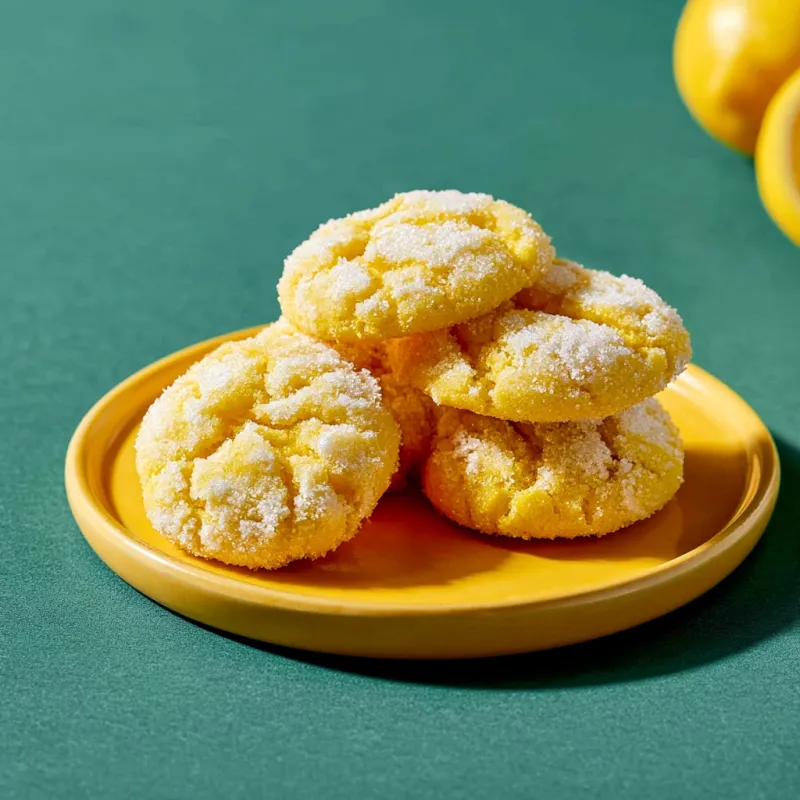
Easy Lemon Sugar Cookies
Ingredients
Equipment
Method
- In a medium bowl, whisk together the flour, baking powder, and salt. Set aside.
- In a large bowl, beat the softened butter and 1 cup sugar together on medium speed until light and fluffy, about 2 minutes. Scrape the bowl.
- Add the egg, lemon juice, lemon zest, and vanilla extract. Beat on low until combined. The mixture may look slightly curdled — that's fine.
- Gradually add the dry ingredients to the wet ingredients, mixing on low just until no streaks of flour remain. Do not overmix. The dough will be soft but not sticky.
- Divide the dough in half, flatten each half into a disk about 1/2-inch thick, wrap in plastic wrap, and refrigerate for at least 1 hour (or up to 2 days). Chilling firms the butter and prevents spread.
- When ready to bake, preheat the oven to 350°F (175°C). Line two baking sheets with parchment paper.
- In a small bowl, stir together the 1/4 cup sugar and 1 tablespoon lemon zest for the coating. Rub the zest into the sugar with your fingers until fragrant.
- On a lightly floured surface, roll one chilled dough disk to 1/4-inch thickness. Use a bench scraper to lift and rotate the dough occasionally to prevent sticking.
- Cut shapes with cookie cutters, or simply slice into squares with a knife. Gather scraps, re-roll once, and cut more. Discard the final scraps.
- Place cookies 1 1/2 inches apart on the prepared baking sheets. Sprinkle generously with the lemon-sugar coating before baking.
- Bake for 9-11 minutes, rotating the pans halfway through. The edges should be set and just barely golden, but the centers will look soft and slightly puffed. Do not overbake.
- Let cookies cool on the baking sheet for 5 minutes, then transfer to a wire rack to cool completely. They will firm up as they cool.