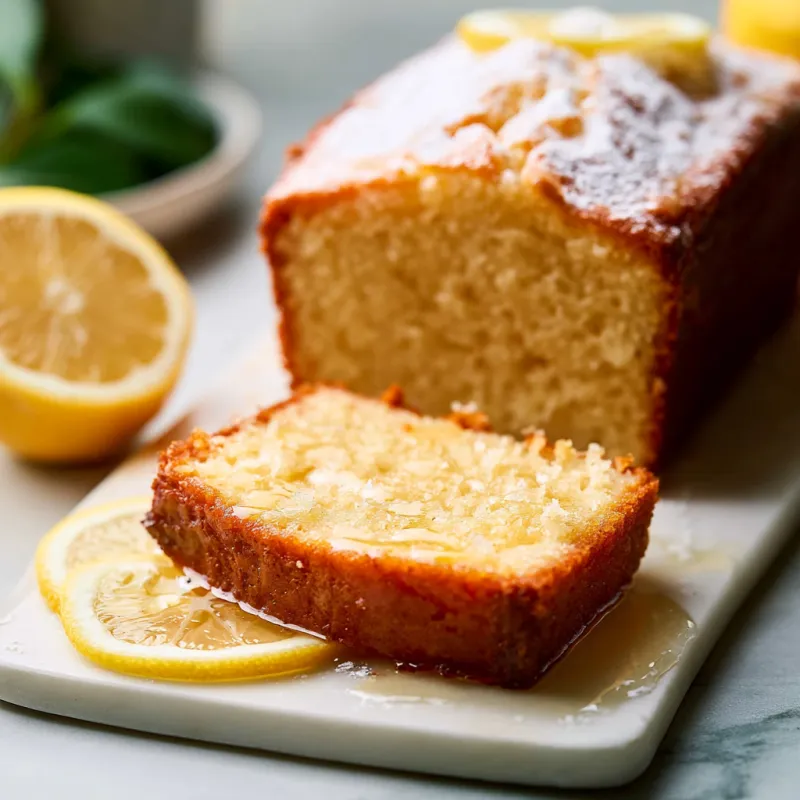
Ingredients
Equipment
Method
- Preheat your oven to 325°F (163°C). Grease a 9x5-inch loaf pan thoroughly with butter or non-stick spray, then dust with flour, tapping out the excess. This ensures the cake releases cleanly.
- In a medium bowl, whisk together the flour, baking powder, and salt. Set aside.
- In a large bowl (or stand mixer fitted with the paddle attachment), beat the softened butter and granulated sugar on medium speed for 4-5 minutes, until light and fluffy. Scrape down the bowl once. This is the creaming step—don't rush it; it builds the cake's structure.
- Add the eggs one at a time, beating well after each addition (about 30 seconds each). Then beat in the lemon zest and vanilla extract until combined.
- With the mixer on low speed, add the flour mixture in three additions, alternating with the buttermilk and fresh lemon juice. Start and end with the flour. Mix just until the flour disappears—overmixing will make the cake tough. The batter will be thick and slightly glossy.
- Pour the batter into the prepared pan and spread it even. Bake for 50-60 minutes, until a toothpick inserted into the center comes out clean or with a few moist crumbs. The top should be golden brown and cracked. If the top browns too quickly (after 40 minutes), loosely tent with foil.
- Let the cake cool in the pan on a wire rack for 15 minutes. Then run a knife around the edges and turn the cake out onto the rack to cool completely, about 1 hour. Do not glaze while warm—the glaze will melt and soak in.
- For the glaze: whisk together powdered sugar and 2 tablespoons of lemon juice until smooth. Add more juice if needed for a pourable consistency. Stir in lemon zest if desired. Drizzle over the cooled cake. Let the glaze set for at least 15 minutes before slicing.
Notes
Storage: Store the glazed cake in an airtight container at room temperature for up to 3 days. For longer storage, refrigerate for up to 5 days, but bring to room temperature before serving. Freeze the unglazed cake tightly wrapped in plastic and foil for up to 3 months. Thaw overnight in the fridge, then glaze. Common allergens: wheat (gluten), dairy, eggs. For a dairy-free version, substitute the butter with a high-quality plant-based butter (like Miyoko's) and use a dairy-free milk mixed with 1 teaspoon lemon juice instead of buttermilk. The texture may be slightly less tender. For food safety, do not leave the cake out for more than 2 hours if refrigerated after glazing. Handle the hot pan with oven mitts.