
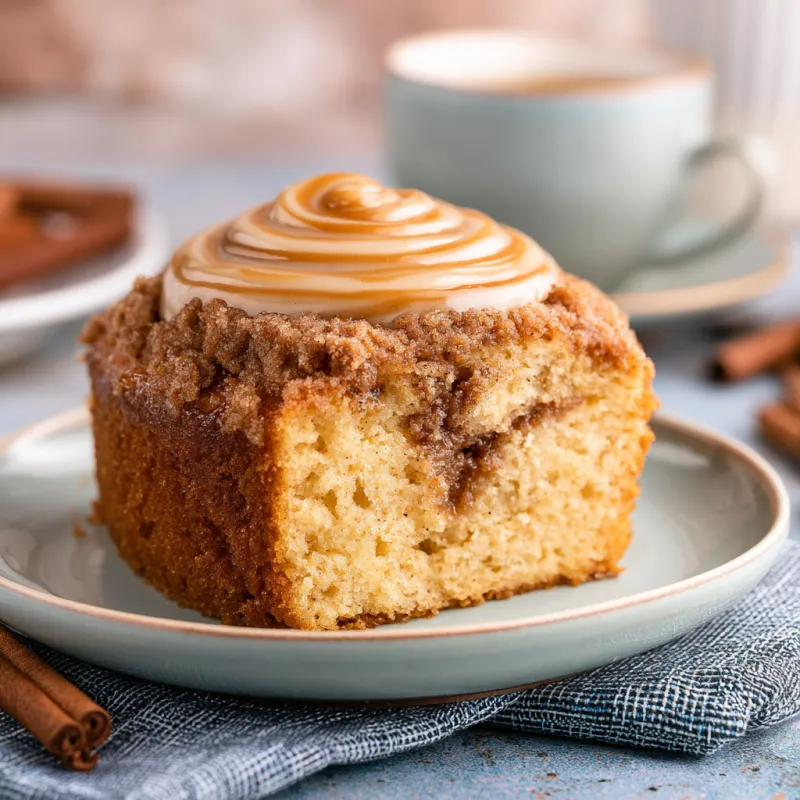
The first thing you notice when this cake comes out of the oven is the smell. Warm cinnamon, butter, and something almost caramel-like from the brown sugar in the streusel. The top is a thick, craggy layer of crumb — not a shy sprinkle, but a generous blanket that cracks and crumbles as you cut into it.

I make this cake often, and I’ve learned that the quality of the crumb topping makes or breaks the whole thing. Too dry, and it falls off. Too wet, and it sinks into the batter. The ratio I keep at 2:1:1 — two parts flour, one part butter, one part sugar (by weight). That gives you clumps that hold their shape during baking but stay tender and sandy when you bite into them.
The Crumb Topping: Getting the Texture Right
Start by whisking the dry ingredients for the topping together. Use a fork, not a spoon, to stir in the melted butter. You want to see distinct clumps, from pea-sized to walnut-sized. If the mixture looks like wet sand, add another tablespoon of flour. If it’s powdery and dry, drizzle in a teaspoon more butter. The clumps should hold together when pinched but break apart easily.
Set the topping aside while you make the cake batter. This gives the flour time to absorb the butter, which helps the crumbs stay distinct in the oven.
The Cake Batter: Room Temperature Matters
For a tender, even crumb, every ingredient that comes from the fridge needs to sit out for about 30 minutes. Cold butter won’t cream properly with the sugar, and cold sour cream will seize the batter, leaving you with dense patches. I set the egg, sour cream, and milk on the counter before I even measure the flour.
Cream the butter and sugar until the mixture is pale and fluffy — about 2 to 3 minutes on medium speed. You’re building the structure here. Scrape the bowl once during this step. Add the egg and vanilla, then the sour cream. The batter may look a little curdled at this point; that’s the sour cream separating from the fat, and it will come back together once you add the flour.
Add the dry ingredients in three additions, alternating with the milk. Start and end with the flour. Mix only until the last streak disappears. Overmixing develops gluten, which makes the cake tough instead of tender.
Layering the Cake and Crumbs
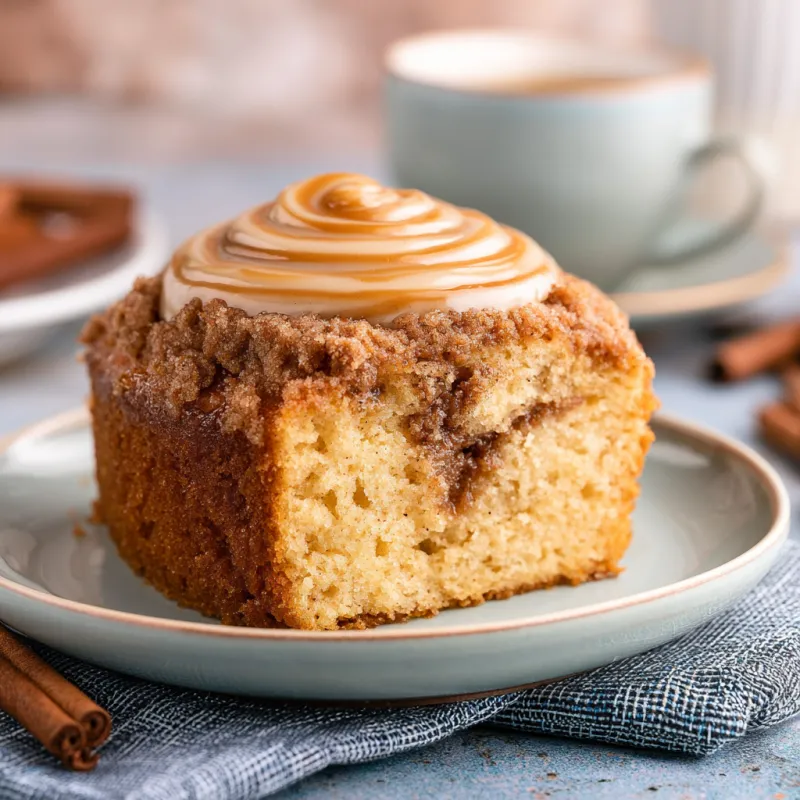
Spread half the batter into your greased 8-inch pan. It will be a thin layer, but that’s fine. Sprinkle half the crumb topping evenly over it. Now, here’s the trick: drop the remaining batter in spoonfuls over the crumbs, then gently spread it with an offset spatula. It’s okay if some crumbs peek through. You’re not trying to hide them — you want that middle layer to be visible when you cut the first slice.
Top with the rest of the crumb mixture. Don’t press it down. Let it sit in a loose, bumpy layer.
Baking and Doneness Cues
Bake at 350°F for 30 to 35 minutes. At 30 minutes, start checking. Insert a toothpick into the center of the cake (avoid a big crumb clump). It should come out clean or with a few moist crumbs attached. If it’s wet with batter, give it another 3 to 5 minutes.
The edges should be golden brown and just starting to pull away from the sides of the pan. The top will look deeply browned, almost dark in spots — that’s the sugar caramelizing, not burning. Let the cake cool in the pan on a wire rack for at least 20 minutes. This allows the structure to set so the slices hold together.
Common Mistake: Cutting Too Soon
I know it’s hard to wait, but cutting into a hot coffee cake will make the crumb topping slide right off. The steam inside needs time to redistribute. Twenty minutes is the minimum. For cleaner slices, let it cool completely.
Storage and Make-Ahead Tips
Cover the pan tightly with foil or plastic wrap and store at room temperature for up to three days. The crumb topping will soften slightly over time, which some people prefer. If you want it crunchy again, reheat individual slices in a 300°F oven for 5 minutes.
This cake also freezes beautifully. Wrap the whole cooled cake (or individual slices) in plastic wrap, then foil, and freeze for up to two months. Thaw at room temperature, still wrapped, to prevent condensation from making the topping soggy.
For a quick variation, add 1/2 cup of finely chopped pecans or walnuts to the crumb topping. Toast the nuts first for deeper flavor.
Takeaway: The best coffee cake is about the crumb — and the crumb is about the ratio. Keep 2:1:1 in mind, and you’ll have a topping that stays put, tastes buttery, and makes every bite worth it.
Frequently Asked Questions
Why did my crumb topping sink into the cake?
This usually happens when the batter is too thin or the crumbs are too heavy. Make sure your butter is melted but not hot, and stir the crumb mixture until large clumps form. Also, let the first layer of batter sit for a minute before adding the crumbs, and don’t press them down.
Can I use buttermilk instead of sour cream?
Yes, you can substitute the sour cream with an equal amount of buttermilk. The cake will be slightly less tender but still moist. If using buttermilk, reduce the milk to 2 tablespoons to keep the batter thick enough to support the crumb layer.
Can I make this coffee cake gluten-free?
Yes, use a 1:1 gluten-free all-purpose flour blend that contains xanthan gum. The texture will be a bit more delicate, so handle the batter gently. I recommend letting the cake cool completely before slicing to prevent crumbling. For dietary advice, please consult a qualified professional.
Easy Cinnamon Coffee Cake
Ingredients
Equipment
Method
- Preheat the oven to 350°F (175°C). Grease an 8-inch square baking pan or line it with parchment paper, leaving an overhang on two sides for easy removal.
- Make the crumb topping: In a medium bowl, whisk together the flour, brown sugar, granulated sugar, cinnamon, and salt. Pour the melted butter over the mixture and stir with a fork until large clumps form. Set aside.
- Make the cake: In a small bowl, whisk together the flour, baking powder, and salt. Set aside.
- In a large bowl, beat the softened butter and granulated sugar together with an electric mixer on medium speed until light and fluffy, about 2-3 minutes. Scrape down the sides of the bowl.
- Add the egg and vanilla extract. Beat until combined, about 30 seconds.
- Add the sour cream and beat until smooth. The mixture may look slightly curdled — that's normal.
- With the mixer on low speed, add half of the flour mixture, then the milk, then the remaining flour mixture. Mix just until no streaks of flour remain. Do not overmix.
- Spread half of the cake batter into the prepared pan. Sprinkle half of the crumb topping evenly over the batter. Gently spread the remaining batter over the crumbs (it's okay if some crumbs show through). Top with the remaining crumb mixture.
- Bake for 30-35 minutes, until a toothpick inserted into the center comes out clean or with a few moist crumbs. The top should be golden and the edges pulling away from the pan.
- Cool in the pan on a wire rack for at least 20 minutes before slicing. Serve warm or at room temperature.