
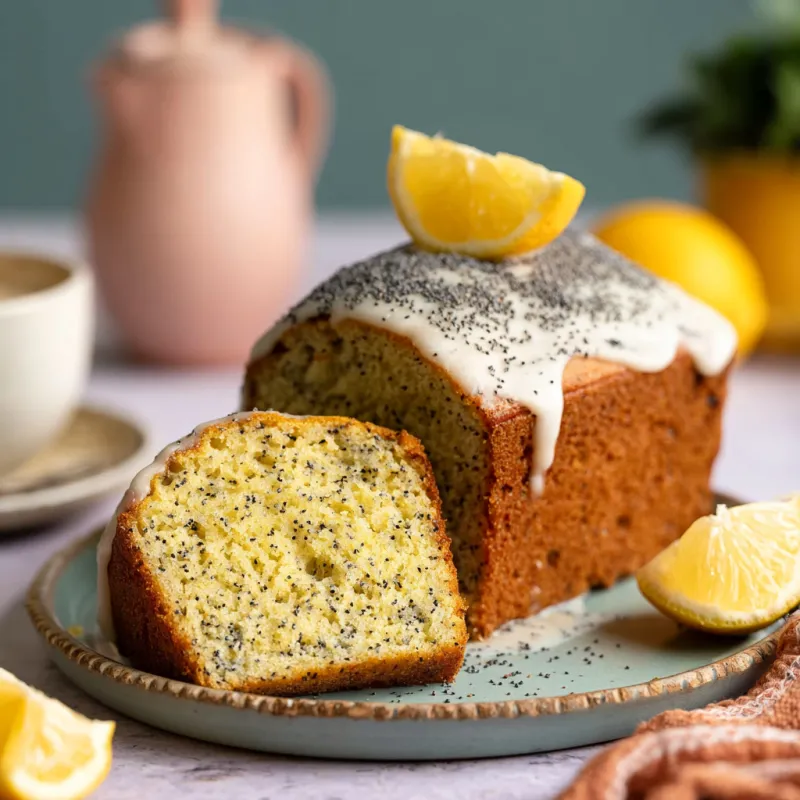
There is something about the scent of fresh lemon zest hitting warm butter that instantly feels like sunshine on a gray day. The sharp, clean aroma fills the kitchen, promising a cake that is bright without being sour, tender without being fragile. And when tiny poppy seeds are scattered through the crumb, each slice offers a gentle pop of texture that makes every bite just a little more interesting.

This lemon poppy seed cake is one of those recipes I come back to again and again. It is simple enough for a weekday afternoon treat, but pretty enough to sit on a dessert table. The trick is in the technique—how you handle the butter, how you incorporate the citrus, and how you keep the crumb from drying out. Let me walk you through it.
Why This Recipe Works
Many lemon cakes end up dry or dense because the acid from the lemon juice can toughen the gluten in the flour. This recipe counters that in two ways. First, it uses buttermilk, which adds tenderness with its gentle acidity. Second, it alternates the dry ingredients with the buttermilk, starting and ending with flour. This method prevents the gluten from overdeveloping, so the cake stays soft and fine-crumbed.
The ratio of butter to sugar is also key. I keep the butter at 1 part butter to 2 parts sugar by weight—not too rich, not too lean. This gives a moist crumb without greasiness. The eggs are added one at a time, fully emulsifying each before the next goes in. That emulsion traps air, which helps the cake rise evenly.
Choosing Your Lemons
For the best flavor, use fresh lemons. You need both the zest and the juice. Zest the lemons before juicing—it is much easier that way. A Microplane or fine grater works beautifully. Avoid the white pith, which is bitter. You want about one tablespoon of zest, which usually takes two medium lemons. For the juice, you need about a quarter cup, which is roughly two lemons as well.
Room-temperature lemons release more juice than cold ones. If your lemons are straight from the fridge, microwave them for 10–15 seconds before rolling them firmly on the counter with your palm. This breaks down the membranes and gives you more juice.
The Poppy Seeds
Poppy seeds are tiny, but they bring a subtle nuttiness and a pleasant crunch. I add them directly to the dry ingredients so they distribute evenly throughout the batter. There is no need to soak them first—this cake bakes long enough for them to soften slightly without losing their texture. If you have a large batch, store poppy seeds in the freezer; they can go rancid at room temperature after a few months.
Mixing the Batter
Start by creaming the butter and sugar until light and fluffy. This takes about three minutes with an electric mixer on medium speed. You are looking for a pale, airy mixture that looks almost like frosting. Scrape the bowl down at least once to make sure everything is evenly combined.
Add the eggs one at a time. After each egg, beat until it is fully incorporated before adding the next. Then mix in the vanilla, lemon zest, and lemon juice. At this point, the batter may look a little curdled—that is normal. The acid in the lemon juice is reacting with the butter, but it will come together once the dry ingredients are added.
Now the important part: add the flour mixture in three additions, alternating with the buttermilk, starting and ending with flour. Mix on low speed, and only until the flour disappears. Overmixing at this stage develops gluten, which makes the cake tough. A few streaks of flour are fine; you can fold them in gently with a spatula.
Baking and Doneness
Pour the batter into a prepared 9×5 inch loaf pan. Spread it evenly with a spatula. Bake at 350°F for 40–45 minutes. The top should be golden brown and spring back lightly when touched. The best test is a toothpick inserted into the center—it should come out clean or with a few moist crumbs attached. If it is wet, bake for another 3–5 minutes and test again.
Let the cake cool in the pan for exactly 10 minutes. This allows the structure to set without steaming the sides. Then lift it out using the parchment overhang and transfer to a wire rack. Cool completely before glazing. If you glaze a warm cake, the glaze will melt and soak in, leaving you with a sticky top rather than a clean drizzle.
The Glaze
The glaze is simple: powdered sugar, fresh lemon juice, and a little zest if you want extra color and flavor. Whisk until smooth. You want it thick enough to coat the back of a spoon but thin enough to drizzle. If it is too thick, add a drop more juice. If too thin, add a little more powdered sugar.
Drizzle the glaze over the cooled cake. Let it set for about 10 minutes before slicing. The glaze will firm up slightly but stay soft and glossy.
Common Mistakes to Avoid
Overbaking
This is the number one cause of dry lemon cake. Ovens vary, so start checking at 40 minutes. If the top is browning too fast, tent the pan loosely with foil for the last 10 minutes.
Skipping the zest
Lemon juice alone gives acidity, but the zest provides the true lemon flavor. Without it, the cake tastes flat. Always use fresh zest.
Using cold ingredients
Cold butter does not cream properly. Cold eggs and buttermilk can cause the batter to separate. Set everything out 30 minutes before you start.
Storage and Make-Ahead Tips
If you are baking ahead, leave the cake unglazed. Wrap it tightly in plastic wrap once it is completely cool. It stays moist at room temperature for up to three days. You can also freeze it for up to three months. Thaw overnight in the refrigerator, then bring to room temperature before glazing and serving.
This cake contains gluten, dairy, and eggs. For a dairy-free version, substitute plant-based butter and make a quick buttermilk substitute by adding one tablespoon of lemon juice to half a cup of unsweetened almond or oat milk. Let it sit for five minutes before using. For specific dietary concerns, consult a qualified professional.
Takeaway
This lemon poppy seed cake is a study in balance. The buttermilk keeps the crumb tender, the zest delivers pure lemon flavor, and the poppy seeds add a gentle crunch. The technique is straightforward, but each step matters. Pay attention to the creaming, the alternating additions, and the doneness test, and you will get a cake that is moist, bright, and exactly what you were hoping for.
Frequently Asked Questions
Why did my lemon poppy seed cake turn out dry?
Dry cake usually comes from overbaking or overmixing the batter. Bake just until a toothpick comes out clean, and mix the flour in gently until just combined. The buttermilk in this recipe also helps keep the crumb tender.
Can I use bottled lemon juice instead of fresh?
Fresh lemon juice gives a brighter, cleaner flavor. Bottled juice often tastes flat and may contain preservatives that affect the texture. For the best results, use fresh lemons.
How do I get the most lemon flavor without making the cake sour?
Use both lemon zest and juice. The zest contains aromatic oils that deliver intense lemon flavor without the acidity, while the juice adds tang. The balance in this recipe keeps the cake bright but not puckering.
Can I make this cake into cupcakes?
Yes. Divide the batter among a 12-cup muffin tin lined with paper liners. Bake at 350°F for 18–22 minutes, or until a toothpick comes out clean. Reduce the glaze slightly or just drizzle lightly.
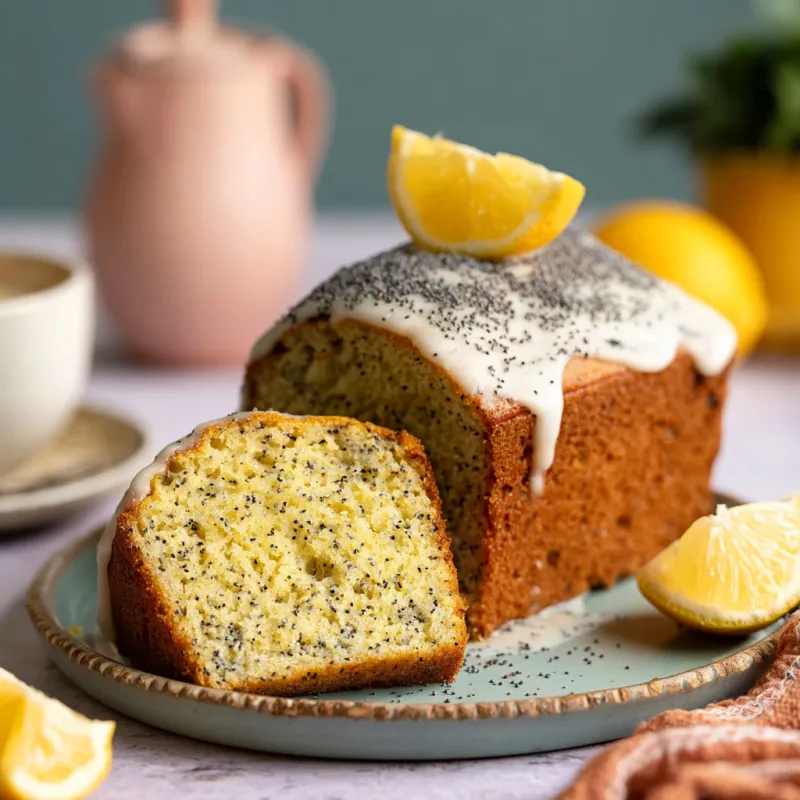
Lemon Poppy Seed Cake
Ingredients
Equipment
Method
- Preheat your oven to 350°F (175°C). Grease a 9x5 inch loaf pan and line with parchment paper, leaving overhang on the long sides.
- In a medium bowl, whisk together the flour, baking powder, baking soda, salt, and poppy seeds. Set aside.
- In a large bowl, beat the softened butter and granulated sugar together with an electric mixer on medium speed until light and fluffy, about 3 minutes. Scrape down the bowl.
- Add the eggs one at a time, beating well after each addition. Mix in the vanilla extract, lemon zest, and lemon juice. The mixture may look slightly curdled—that's fine.
- With the mixer on low speed, add the flour mixture in three additions, alternating with the buttermilk, starting and ending with the flour. Mix just until combined. Do not overmix.
- Pour the batter into the prepared pan and spread it evenly. Bake for 40–45 minutes, until a toothpick inserted into the center comes out clean or with a few moist crumbs. The top should be golden brown.
- Let the cake cool in the pan for 10 minutes, then lift it out using the parchment overhang and transfer to a cooling rack. Cool completely before glazing.
- For the glaze: whisk together the powdered sugar and lemon juice until smooth. Add more juice if needed for a thin drizzle. Stir in the lemon zest if using. Drizzle over the cooled cake.