
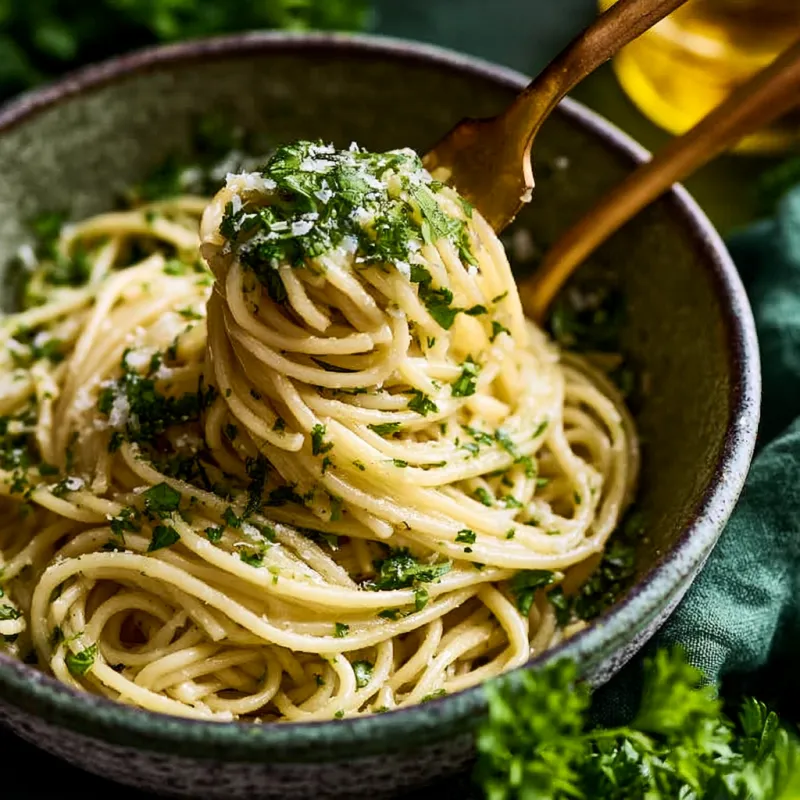
The smell of garlic hitting warm butter is one of those kitchen moments that stops me mid-step every time. It’s sharp at first, then softens into something rich and nutty. And when that butter wraps around a tangle of hot pasta, with a little salty cheese and a flick of red pepper? That’s a weeknight win in under 10 minutes.

But easy doesn’t mean sloppy. A great garlic butter pasta isn’t greasy or bland. The sauce should cling to every strand, not pool in the bottom of the bowl. The garlic should be golden and mellow, never scorched or bitter. And the whole thing needs to come together faster than you can decide what to watch on Netflix.
Here’s how I do it — with a technique that turns simple ingredients into a silky, satisfying meal.
Why This Method Works
The secret to a non-greasy garlic butter sauce is emulsification. Butter is mostly fat, and pasta water is mostly starch. When you combine them with heat and vigorous tossing, the starch molecules grab onto the fat molecules and suspend them in a creamy, stable sauce. No separation. No slick of butter sitting on top.
I keep the ratio at about 3 tablespoons of butter to 1/2 cup of pasta water for 8 ounces of pasta. That gives you enough sauce to coat every strand without making it heavy. If you double the recipe, double the butter but only increase the water by half — you can always add more.
Choose the Right Pasta
Long, thin shapes are your best friend here. Spaghetti, linguine, or angel hair all work beautifully because the sauce clings evenly to their surface. Short shapes like penne or rigatoni can work, but you’ll need to toss them longer in the skillet to get the same coating.
Cook the pasta 1 minute shy of the package’s al dente time. It will finish cooking in the sauce, absorbing flavor and releasing more starch into the pan. That extra starch helps thicken the sauce even further.
How to Build the Sauce
Step 1: Slice, Don’t Mince
Thinly slice the garlic cloves instead of mincing them. Sliced garlic releases its flavor more gently and is less likely to burn in the hot butter. Aim for even slices about 1/16-inch thick — thin enough to soften quickly, but thick enough to handle a minute in the pan without turning black.
Step 2: Low and Slow Butter
Melt the butter over medium-low heat. You want it to foam gently, not sizzle aggressively. If the butter browns before the garlic goes in, your heat is too high. The foam means the butter’s water content is evaporating, which concentrates its flavor. Let it foam for about 30 seconds before adding the garlic.
Step 3: Garlic in the Gold Zone
Add the sliced garlic and red pepper flakes (if using) to the foaming butter. Stir constantly with a wooden spoon or tongs. You’re looking for the garlic to turn a pale, translucent gold — about 60 to 90 seconds. The moment it starts to darken, move to the next step. Burnt garlic is bitter and will ruin the whole dish.
Step 4: The Emulsification Pour
Ladle in 1/2 cup of the hot pasta water. Immediately the liquid will bubble and steam. Increase the heat to medium and let it simmer for 30 seconds, swirling the pan. This is where the magic happens: the starch in the water binds with the butter fat, creating a creamy, opaque sauce. You should see it thicken slightly as it simmers.
Step 5: Toss in the Pasta
Use tongs to lift the pasta directly from the pot into the skillet. Don’t drain it completely — a little clinging water is fine and adds more starch to the sauce. Toss the pasta in the sauce for 1 full minute over medium heat. If the sauce looks too thin, let it simmer another 30 seconds. If it looks dry, add pasta water a tablespoon at a time until it loosens.
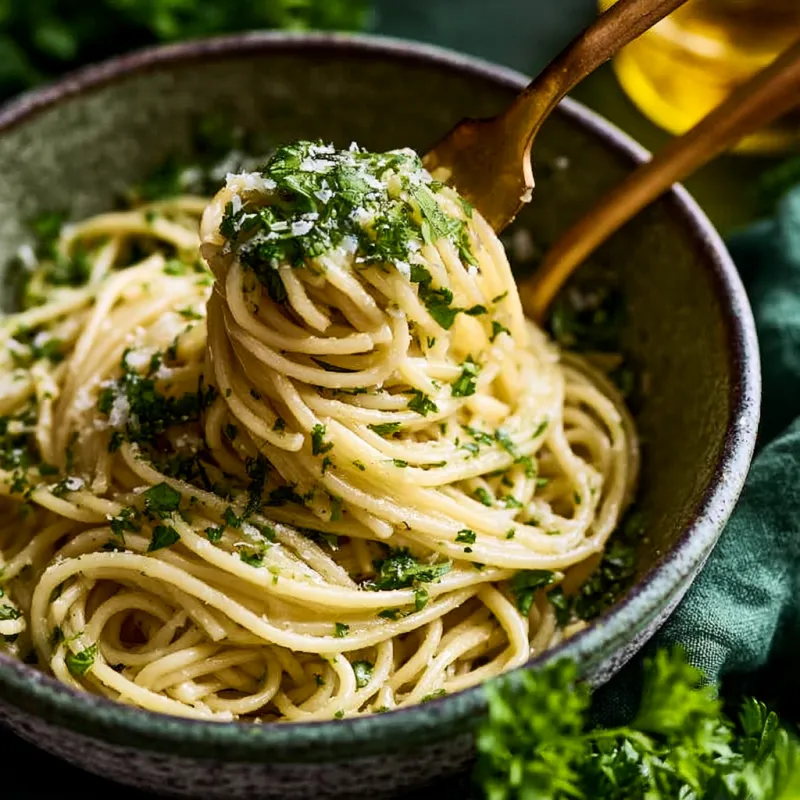
The finished sauce should look creamy and coat each strand like a light glaze. When you lift a forkful, the sauce should cling, not drip.
Step 6: Finish Off the Heat
Remove the skillet from the heat. Add the grated Parmesan and toss vigorously. The residual heat melts the cheese into the sauce, thickening it further and adding a salty, nutty depth. Taste and add salt if needed — but remember, the pasta water and Parmesan both contribute salt, so go easy.
Serve immediately, topped with extra Parmesan and a sprinkle of fresh parsley for color.
Common Mistakes and How to Avoid Them
- Burning the garlic: Keep the heat medium-low and stir constantly. If the garlic starts to brown before you’ve added the water, you’re too hot. Pull the pan off the burner for 10 seconds to cool it down.
- Greasy sauce: This happens when you skip the emulsification step. Don’t just toss butter and pasta together — you need the pasta water to bind them. Also, use unsalted butter; salted butter can cause the sauce to break.
- Clumpy pasta: If you let the cooked pasta sit in a colander for more than 30 seconds, it will start to stick together. Transfer it directly from the pot to the skillet using tongs. If you must drain it first, toss it with a teaspoon of olive oil to keep it loose.
- Bland flavor: Salt the pasta water generously — it should taste like the sea. That’s your only chance to season the pasta from the inside out. Also, don’t skip the Parmesan; it adds umami that balances the butter.
Make It Your Own
This recipe is a blank canvas. Add a handful of baby spinach in the last 30 seconds of tossing — it wilts into the sauce beautifully. Toss in some leftover roasted chicken or sautéed shrimp for protein. Or stir in a squeeze of lemon juice and some zest for brightness.
For a version with more heat, double the red pepper flakes or add a pinch of cayenne with the garlic. For an herby twist, add fresh basil or oregano along with the parsley.
Takeaway
Garlic butter pasta is one of those dishes that seems too simple to be special — until you taste it done right. The key is respecting the technique: low heat for the garlic, pasta water for the emulsion, and a quick, confident toss. In the time it takes to boil water, you can have a dinner that feels both effortless and satisfying. That’s the kind of cooking I love — where a few good ingredients and a little know-how make something genuinely great.
Frequently Asked Questions
Can I use pre-minced garlic from a jar?
I don’t recommend it. Jarred garlic is often packed in liquid and can turn bitter or scorch quickly in butter. Thinly slicing fresh garlic gives you a milder, sweeter flavor that infuses the butter without burning. If you’re short on time, use a garlic press, but watch the heat carefully.
Why does my garlic butter sauce turn greasy?
The most common reason is skipping the emulsification step. You need to add pasta water to the butter and let it simmer together before adding the pasta. The starch in the water binds the fat and water into a creamy sauce. Without that step, the butter just sits on top of the noodles.
What pasta shape works best for garlic butter?
Long, thin strands like spaghetti, linguine, or angel hair work best because the sauce clings evenly to each strand. Short shapes like penne or fusilli can work, but you’ll need to toss them longer in the skillet to get the same coating effect.
Can I make this dairy-free?
Yes. Substitute the butter with a good-quality vegan butter (one with a high fat content, like Miyoko’s or Country Crock Plant Butter) and replace Parmesan with nutritional yeast or a dairy-free Parmesan-style shred. The technique stays the same — just be aware that vegan butter may not emulsify as smoothly, so toss the pasta a little longer.
Easy Garlic Butter Pasta
Ingredients
Equipment
Method
- Bring a large pot of generously salted water to a rolling boil. Add pasta and cook 1 minute less than package directions for al dente.
- While pasta cooks, place a 12-inch skillet over medium-low heat. Add butter and let it melt slowly — it should foam gently, not brown.
- Add sliced garlic and red pepper flakes to the butter. Cook, stirring constantly, for 60-90 seconds until garlic is fragrant and just pale gold. Watch closely: burnt garlic turns bitter.
- Ladle 1/2 cup pasta water into the skillet. Increase heat to medium and let it simmer for 30 seconds, swirling to emulsify the butter into the water.
- Use tongs to transfer the cooked pasta directly from the pot into the skillet — no need to drain it fully; a little clinging water is fine.
- Toss pasta in the sauce for 1 minute over medium heat, adding more pasta water a tablespoon at a time if it looks dry. The sauce should look creamy and coat each strand, not pool at the bottom.
- Remove from heat. Add Parmesan and toss vigorously — the cheese melts into the sauce, thickening it further. Taste and add salt if needed.
- Serve immediately, topped with extra Parmesan and parsley if desired.